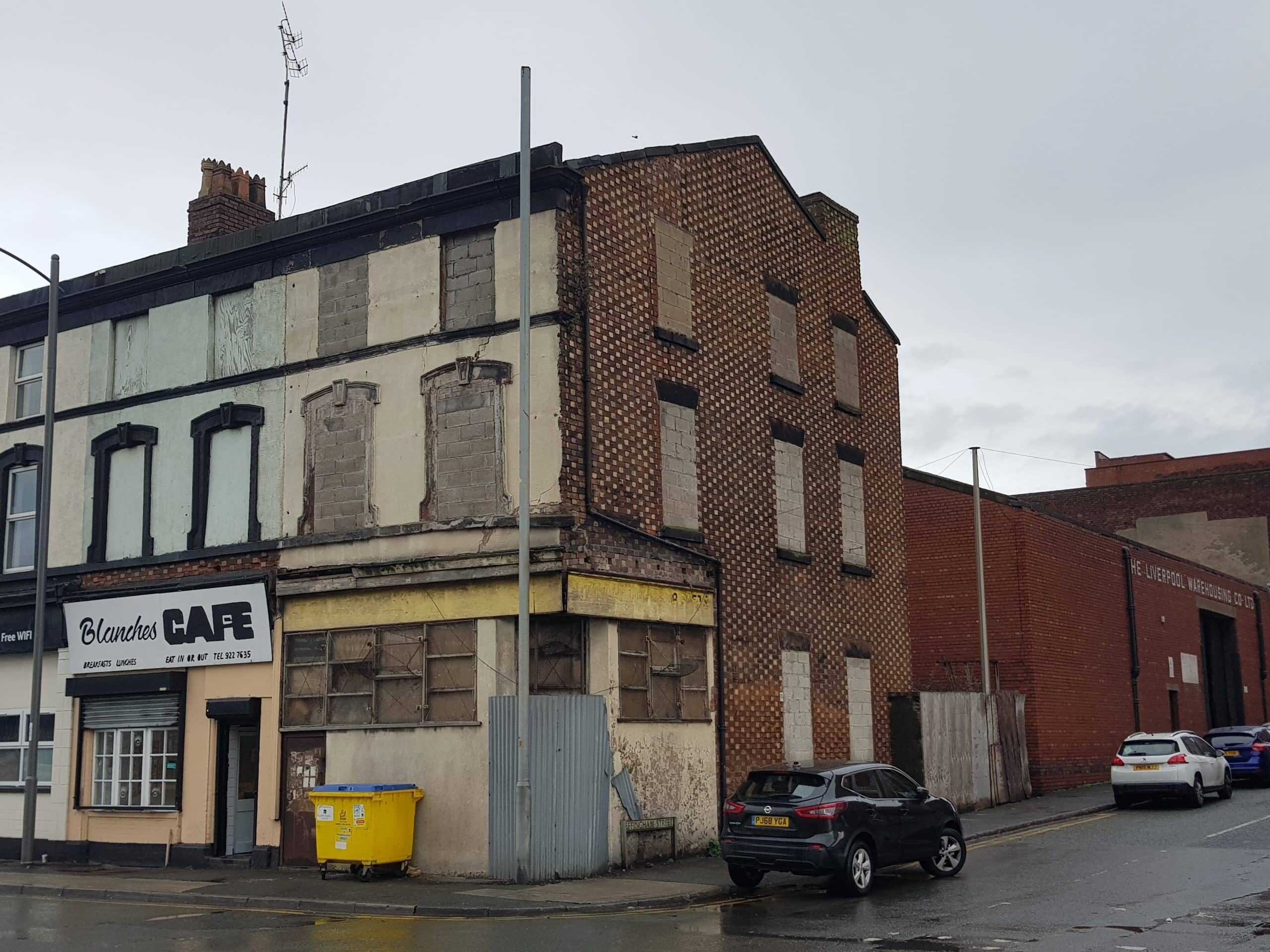
Unique Method of Selling Tenanted Commercial Property
Selling commercial property with sitting tenants demands a completely different approach from vacant possession sales, and recognising this distinction immediately saves months of frustration with unsuitable selling methods.
The challenge extends far beyond simply finding a buyer: you’re facing lease transfers, tenant cooperation requirements, restricted buyer pools limited to investors only, and complex legal disclosures about rent payment histories and ongoing disputes. Recent market data reveals that tenanted commercial properties take 6 to 12 months to sell through estate agents compared to 3 to 6 months for vacant properties. The buyer pool shrinks dramatically because owner-occupiers seeking premises for their own businesses cannot proceed with tenanted properties, leaving only landlords and investors who scrutinise rental yields, tenant quality, and lease terms before committing.
The unique method exists through specialist cash buyers who purchase properties with tenants in situ, inherit all lease obligations, and complete transactions within 3 to 6 weeks regardless of tenant situations or rental complications.
Commercial property occupied by sitting tenants attracts fundamentally different buyers from vacant premises. Owner-occupiers planning to run businesses from the property cannot purchase whilst leases remain in force, eliminating a substantial segment of the market. The remaining buyer pool consists exclusively of investors evaluating rental yields, tenant covenants, lease security, and long-term income potential rather than the property’s utility for their own operations. This restricted audience means fewer viewings, longer timelines, and heightened scrutiny of every lease clause and tenant payment record.
Lease transfers happen automatically when commercial freehold ownership changes hands—the buyer inherits every term, obligation, and responsibility from the existing lease without requiring separate tenant agreements. This legal reality creates anxieties for buyers who worry about inheriting problematic tenant relationships, rent arrears, ongoing disputes, or pending maintenance obligations. The due diligence process intensifies as buyers examine rent payment histories, correspondence files, service charge accounts, and insurance arrangements to identify potential future problems. Any evidence of tenant difficulties suppresses offers substantially or triggers withdrawal entirely.
The Investment Appeal: When Tenants Actually Add Value?
Established rental income from reliable tenants transforms commercial property into investment assets that some buyers prize above vacant premises. Properties generating consistent rent with good tenant covenants and long remaining lease terms provide immediate cash flow that vacant buildings cannot match. Investors purchasing for yield-based returns prefer tenanted properties because they avoid void periods, refurbishment costs, and the uncertainty of finding new occupiers. The yield calculation divides annual rental income by purchase price, with investors typically seeking 5% to 10% returns depending on location and tenant quality.
Premium valuations emerge when tenants demonstrate strong financial positions, maintain premises impeccably, pay rent consistently without arrears, and hold long unexpired lease terms that guarantee income security. Blue-chip tenants operating established businesses under FRI leases (Full Repairing and Insuring) where they shoulder all maintenance responsibilities represent the gold standard that commands the highest prices. These ideal situations can actually deliver valuations exceeding vacant possession prices by 10% to 20% because investors pay premiums for certainty and immediate returns. Unfortunately, most commercial landlords seeking to sell face less ideal situations involving shorter leases, maintenance disputes, or mediocre tenant relationships that suppress rather than enhance values.
Can You Sell Commercial Property During a Lease?
Landlords absolutely can sell commercial properties whilst tenancies remain active—no legal restrictions prevent freehold sales during contractual lease periods. The buyer purchases the freehold subject to existing leases, automatically becoming the new landlord and inheriting all obligations, rent collection responsibilities, and tenant relationships. Tenants cannot object to or prevent the sale itself, though their cooperation with viewings and building inspections significantly affects buyer confidence and willingness to proceed. Uncooperative tenants who obstruct access or create difficulties during the sale process damage prospects considerably even though they cannot legally block transactions.
The notification requirements involve informing tenants that the property is being marketed for sale and may change ownership, though specific notice periods depend on lease terms and courtesy rather than statutory obligations. Professional landlords maintain positive relationships throughout the process because antagonising tenants during sales creates obstacles that delay or derail transactions. The tenant’s perspective deserves consideration—they face uncertainty about new landlords, potential changes to property management approaches, and concerns about future rent reviews or lease renewals. Reassuring tenants whilst balancing seller interests requires diplomatic skills that many commercial landlords lack, creating tensions that buyers sense immediately.
Estate Agents Struggle With Commercial Tenanted Sales
Commercial estate agents operate with fundamentally different networks and expertise from residential high street agencies, yet many landlords approach generalist agents who lack specialist commercial investor contacts. The commission structure of 1.5% to 3% encourages agents to accept instructions even when they recognise limited prospects for completion. A £5,000 to £9,000 fee on a £300,000 commercial property justifies marketing efforts, but agents focused primarily on residential transactions lack the investor databases needed to connect sellers with genuine commercial property buyers seeking tenanted investments.
The marketing channels prove equally mismatched—commercial property investment buyers don’t browse residential portals hoping to stumble across tenanted shops or offices. Specialist commercial platforms, investment newsletters, and direct approaches to landlord networks represent the effective routes to reaching serious buyers, yet generalist agents lack access to these channels. The result manifests as months of stagnant marketing with occasional viewings from unsuitable buyers who withdraw after realising tenants occupy the premises. Estate agents collecting monthly retainer fees or marketing charges whilst failing to deliver qualified buyers create mounting frustration for landlords trapped in unwanted commercial investments.
The timeline extending to 6 or 12 months reflects not just market conditions but fundamental mismatches between agent capabilities and commercial tenanted property requirements. Agents accustomed to selling vacant residential properties struggle to explain lease transfers, yield calculations, tenant covenants, and repairing obligations to potential buyers.
This knowledge gap manifests through poorly prepared sales particulars, inadequate lease summaries, and incomplete tenant information that sophisticated commercial investors immediately identify as unprofessional. The credibility damage extends beyond individual transactions, with serious investors dismissing properties marketed by agents demonstrating limited commercial expertise.
The Vacant Possession Premium Dilemma
Selling with vacant possession typically achieves 10% to 15% higher prices than tenanted sales because buyer pools expand dramatically to include owner-occupiers planning to occupy premises themselves. This premium creates the dilemma every commercial landlord faces—accept reduced tenanted sale prices immediately or wait months or years until leases expire naturally. Properties with leases expiring within 6 to 12 months might justify waiting for vacant possession, but properties with 5 or 10 years remaining force difficult decisions about opportunity costs versus price optimisation.
Break clauses within commercial leases offer potential earlier exits when tenants or landlords can terminate agreements at specified dates with proper notice. Exercising landlord break clauses specifically to achieve vacant possession for sales requires careful legal review because improper exercise triggers financial penalties and lease continuation. Lease surrender negotiations represent another route where landlords offer tenants payments to vacate early, though calculating appropriate surrender premiums proves complex. Offering too little results in refusal, whilst excessive payments reduce net sale proceeds below what tenanted sales would achieve.
Eviction options remain extremely limited for commercial landlords—you cannot simply remove tenants during valid contractual lease periods because you wish to sell vacant. Contractual security means tenants possess legal rights to remain until natural lease expiry, break clause dates, or surrender agreements. Attempting to pressure or harass tenants into leaving creates legal liabilities and damages landlord reputations. The reality means most landlords selling properties with long remaining lease terms must accept tenanted sales at appropriate yield-based valuations rather than hoping for vacant possession premiums.
Auctioning a Property: The Commercial Landlord Gamble
Property auctions attract commercial investors specifically seeking tenanted assets at discounted prices, knowing the legally binding nature of auction sales forces sellers to accept winning bids regardless of disappointment. The 2% to 3% plus VAT fee structure extracts substantial amounts from commercial property sales – £6,000 to £9,000 plus VAT on a £300,000 property before legal costs, auction pack preparation, and energy performance certificates add further expenses. These upfront costs demand payment whether your property sells or not, creating financial risk that increases when tenant complications reduce bidder confidence.
The 28-day fixed completion timeline after auction day removes all flexibility for sellers coordinating complex tenant notifications, rent apportionments, and deposit transfers. Sophisticated commercial property investors attend auctions precisely to exploit sellers facing difficult tenant situations, knowing that landlords marketing through auctions often signal desperation or problematic tenancies. The bidding strategies involve researching tenant quality, lease terms, and property conditions beforehand, then calculating maximum bids that deliver required investment yields even when purchasing at apparent premiums.
Auction success statistics require scepticism because advertised rates include pre-auction sales negotiated before auction day and post-auction deals arranged with interested parties who attended but didn’t bid. Properties failing to reach reserve prices simply reappear in subsequent catalogues without appearing in failure statistics that would reveal true under-the-hammer success rates. The gamble might deliver acceptable outcomes when competitive bidding occurs, but sparse attendance or single interested bidders result in discounted sales that leave landlords substantially worse off than alternative selling methods would achieve.
The commercial property sector attracts unscrupulous operators who specifically target landlords seeking exits from tenanted investments. These companies claiming to be genuine cash buyers employ sophisticated tactics beginning with inflated initial offers designed to hook desperate sellers. The two-stage valuation approach involves an encouraging first inspection where representatives praise the property and tenant situation, followed by a second supposedly independent valuation that identifies numerous tenant-related concerns requiring price reductions.
The manufactured tenant problems emerge systematically as supposed completion dates approach. Suddenly their solicitor discovers undisclosed rent arrears, service charge disputes, lease irregularities, or tenant complaints that require substantial price reductions. The timing proves deliberate—announcements arrive days before scheduled completion when sellers have mentally committed to transactions and potentially made onward commitments based on expected proceeds. The pressure to accept reduced offers intensifies because walking away means restarting the entire process whilst tenant situations potentially deteriorate further.
Checking Companies House for Dishonest “Buyers”
Companies House searches reveal critical information exposing whether supposed cash buyers actually possess funds or operate using borrowed money for every purchase. Enter the company name and examine the “Charges” section within their filing history.
Multiple charges registered by different lenders prove the company relies on financing for each transaction rather than genuine cash reserves, making their “cash buyer” claims fundamentally dishonest. Legitimate commercial property buyers show minimal charges or only standard business loans unrelated to individual property purchases. Director histories deserve equal scrutiny — frequent changes within twelve-month periods suggest patterns of abandoned companies and dissatisfied sellers.
County Court Judgements filed against companies expose failures to pay suppliers or settle debts as agreed, revealing operators who inevitably reduce offers at critical moments using manufactured tenant problems as justification.
Tenant Management Challenges During Sale
Maintaining positive tenant relationships whilst marketing properties for sale requires diplomatic skills and transparent communication. Tenants understandably feel unsettled by ownership changes and worry about new landlords potentially changing management approaches, pursuing aggressive rent reviews, or refusing lease renewals. These anxieties manifest through uncooperative behaviour during viewings, delayed responses to buyer enquiries, or deliberately highlighting property problems to potential purchasers. The landlord’s responsibility involves reassuring tenants whilst avoiding commitments about future arrangements that new owners might not honour.
Viewing arrangements create particular tensions because tenants occupy premises for business operations that suffer disruption from repeated inspections. Balancing buyer due diligence requirements against tenant convenience demands careful scheduling and advance notice that respects business trading hours. Weekend viewings prove impossible for most commercial tenancies, forcing weekday appointments that interrupt tenant operations. Properties with multiple tenants across different units multiply coordination challenges exponentially, with each tenant possessing different cooperation levels and concerns about ownership changes.
Rent arrears situations dramatically complicate sales because buyers reduce offers substantially or withdraw entirely when current rent accounts show outstanding balances. Landlords must decide whether to pursue arrears aggressively before sales, risking tenant relationships and potential lease terminations, or disclose arrears honestly and accept reduced valuations reflecting collection risks. Service charge disputes create similar complications where tenants challenge costs or withhold payments pending resolution, creating uncertainties that buyers incorporate into reduced offer prices.
Thomas’s Commercial Property Burden
Thomas from Birmingham inherited a small office building from his uncle’s estate containing three separate commercial tenants — an accountancy firm, a recruitment agency, and a small marketing consultancy. The annual rental income totalled £42,000 but required constant attention for maintenance requests, service charge administration, and rent collection from the marketing tenant who frequently paid late. Thomas worked full-time in Bristol and found managing the Birmingham property from 120 miles away exhausting and impractical.
Two commercial estate agents valued the building at £480,000 to £520,000 based on yield calculations but explained that finding investment buyers would take 8 to 12 months. One agent suggested waiting until the marketing tenant’s lease expired in 18 months for potential vacant possession above £600,000. The accountancy firm had expressed interest in purchasing but couldn’t secure commercial financing within Thomas’s desired timeline. An auction house recommended a £420,000 reserve with £13,000 in fees, warning that multi-tenanted properties with payment issues often attracted reduced bids from investors factoring in management complexities.
A company claiming to specialise in commercial property investments initially offered £495,000, which seemed reasonable given the tenant situation. Six weeks into the process, their solicitor supposedly discovered that the marketing tenant had historical service charge disputes and the building required fire safety upgrades costing £18,000. The offer dropped to £398,000, leaving Thomas £97,000 worse off days before scheduled completion — the classic liar cash buyer tactic of “last-minute discoveries” designed to force desperate sellers into accepting substantially reduced offers.
Property Saviour offered £294,000 — approximately 70% of what the auction house suggested as market value — with completion on Thomas’s preferred date ten weeks later, allowing time to notify all three tenants properly and transfer deposit protections. Our team purchased the building with all tenants in situ, inherited the lease obligations including the occasional late payments, and contributed £1,500 towards Thomas’s legal costs. The price remained exactly as offered with no tenant-related reductions despite the service charge discussions and late payment history.
Legal Requirements and Lease Transfer Complexities
Commercial Property Standard Enquiries (CPSE) demand comprehensive disclosure about tenant relationships, payment histories, ongoing disputes, maintenance obligations, and insurance arrangements. Sellers must answer questions honestly about rent arrears, service charge disagreements, tenant complaints, building defects, and any breaches of lease terms by either party. Supplemental tenancy enquiries request detailed information about deposit amounts held, deposit protection schemes used, rent review mechanisms, break clause dates, and tenant rights regarding lease renewals or extensions.
The disclosure obligations extend beyond current situations to historical problems that buyers deserve to know about. Previous rent arrears now settled, past tenant disputes subsequently resolved, and former maintenance issues now rectified all require honest reporting because concealing problems creates legal liabilities after completion. Sophisticated buyers employ forensic approaches examining correspondence files, service charge accounts, and insurance claims to identify undisclosed issues that sellers hoped to hide. Discovering concealed problems triggers not just price reductions but potential legal action for misrepresentation after transactions complete.
Rent apportionment on completion day requires calculating precisely which proportion of current rent periods belongs to the seller versus the buyer. Tenants paying quarterly in advance create apportionment calculations where sellers receive portions of pre-paid rent covering periods after completion. Conversely, tenants paying monthly in arrears mean buyers assume collection responsibilities for rent relating to periods before completion. These calculations affect net sale proceeds and require careful agreement between solicitors to avoid disputes about amounts due.
The Financing Problem Restricting Buyer Pools
Most mortgage lenders avoid tenanted commercial property or impose substantially stricter lending criteria compared to vacant premises. The perceived risks include inheriting problematic tenants, uncertain rental income continuity, complex lease obligations, and potential disputes affecting property values. Lenders require larger deposits (often 35% to 50%), charge higher interest rates reflecting elevated risk perceptions, and conduct intensive due diligence examining tenant financial positions, rent payment records, and lease terms before approving applications.
This financing difficulty restricts buyer pools dramatically to cash purchasers or investors accessing specialist commercial property finance through private lenders charging premium rates. The limited buyer universe explains why tenanted commercial property sales take substantially longer than vacant premises— you’re waiting for the small percentage of purchasers with immediate cash availability or approved commercial financing to emerge. Estate agents marketing to mortgage-dependent residential buyers achieve nothing because standard lenders simply won’t approve tenanted commercial property applications regardless of buyer financial strength.
Can I Sell a Commercial Property With Tenants in Situ?
Yes, landlords can sell commercial properties with sitting tenants during active lease periods because buyers purchase freeholds subject to existing leases and automatically become the new landlord. Tenants cannot legally object to or prevent the sale itself, though their cooperation with viewings and inspections significantly affects buyer confidence and transaction success.
The buyer inherits all lease obligations, tenant relationships, rent collection responsibilities, and ongoing disputes without requiring separate tenant agreements or permissions. This automatic lease transfer means selling with tenants proves legally straightforward even when tenant relationships are difficult or problematic.
Do Tenanted Commercial Properties Sell for Less?
Tenanted properties typically sell for 10% to 15% below vacant possession values because buyer pools shrink to investors only, eliminating owner-occupiers seeking premises for their own businesses. However, properties with excellent tenants on long leases paying market rents can command premiums above vacant values when investors compete for secure income streams.
The valuation depends entirely on rental yield calculations, tenant quality, lease security, and repairing obligations rather than property condition alone. Blue-chip tenants under FRI leases where they shoulder all maintenance responsibilities deliver the highest valuations, whilst problematic tenants with rent arrears or short remaining leases suppress prices substantially below vacant possession equivalents.
Can Tenants Stop You Selling a Commercial Property?
No, tenants cannot legally prevent commercial property sales during valid contractual lease terms because freehold ownership transfers remain landlord rights. However, uncooperative tenants who obstruct viewings, refuse access for inspections, or deliberately highlight property defects to potential buyers can damage prospects enough to delay or derail transactions.
The tenant’s legal inability to block sales differs substantially from their practical ability to make the selling process extremely difficult through non-cooperation. Professional landlords maintain positive tenant relationships throughout sales because antagonising occupiers creates obstacles that serious buyers interpret as red flags about future management difficulties they’ll inherit.
What’s the Fastest Way to Sell Tenanted Commercial Property?
Genuine cash buyers specialising in commercial property complete purchases in 3 to 6 weeks regardless of tenant situations, problematic relationships, or rental complications. Estate agents take 6 to 12 months marketing to limited investor pools, whilst auctions require 8 to 10 weeks plus substantial fees without guaranteeing successful sales.
The speed advantage reflects immediate cash availability eliminating financing approval delays, willingness to inherit tenant problems that deter conventional buyers, and expertise handling complex lease transfers that generalist agents lack. Specialist buyers purchase properties in any tenant situation—rent arrears, disputes, difficult occupiers, or short leases—removing obstacles that prevent estate agent sales from completing.
Do Buyers Inherit Commercial Tenant Problems?
Yes, buyers purchasing commercial freeholds subject to existing leases automatically inherit all tenant obligations, rent arrears, ongoing disputes, lease breaches, and relationship difficulties without separate disclosure or agreement processes. The lease transfer happens by operation of law when freehold ownership changes, meaning buyers step into the landlord’s shoes completely.
This inheritance includes responsibility for returning tenant deposits at lease end, pursuing historical rent arrears, resolving service charge disputes, and managing difficult tenant relationships. Sophisticated buyers conduct intensive due diligence examining every aspect of tenant situations precisely because they inherit problems fully, using discovered issues to negotiate reduced purchase prices or withdraw from transactions entirely.
Can You Evict Commercial Tenants to Sell With Vacant Possession?
No, landlords cannot evict tenants during valid contractual lease periods simply to achieve vacant possession sales at premium prices. Commercial tenants possess contractual security meaning legal rights to remain until natural lease expiry, landlord break clause dates, or mutually agreed lease surrenders.
Attempting to pressure, harass, or force tenants to vacate early creates significant legal liabilities and damages landlord reputations. The only legitimate routes to vacant possession involve waiting for contractual lease expiry, exercising break clauses when lease terms permit, or negotiating lease surrender agreements where landlords pay tenants to vacate early. Most landlords with long remaining lease terms must accept tenanted sales at appropriate valuations rather than hoping for vacant possession premiums achievable only years in the future.
Obtain energy performance certificates for the building or arrange assessments if expired or missing
Prepare deposit protection documentation showing amounts held, protection scheme registration, and prescribed information provision
Document any rent reviews conducted, mechanisms for future reviews, and market rent assessments supporting current rental levels
How Property Saviour Handles Tenanted Commercial Differently?
Our approach to purchasing tenanted commercial property reflects genuine understanding of the challenges landlords face when trapped in unwanted investments with sitting tenants. The offer provided remains the offer paid at completion—no tenant-related reductions emerge, no manufactured rent arrear discoveries appear, and no sudden disputes about undisclosed problems require price renegotiations. This price promise delivers authentic peace of mind during transactions that most sellers find extraordinarily stressful when dealing with conventional buyers or dishonest operators claiming commercial property expertise. Proof of funds backs every commitment, eliminating the financing failures that plague investor buyers dependent on commercial mortgage approval.
We purchase properties with tenants in situ regardless of tenant quality, rent payment history, ongoing disputes, or lease complications. Difficult tenants who deter conventional buyers don’t affect our willingness to proceed because we specialise in inheriting complex tenant situations and managing them professionally after completion. Rent arrears, service charge disputes, maintenance disagreements, and problematic occupier relationships represent business realities we handle routinely rather than deal-breaking obstacles. This tenant problem tolerance removes barriers preventing estate agent sales from progressing beyond initial interest.
Completion date flexibility accommodates seller circumstances rather than imposing arbitrary deadlines. You decide when to complete, whether that’s 21 days for urgent situations or three months to coordinate tenant notifications and complex tax planning. Unlike auction houses forcing rigid 28-day completions or estate agents whose buyers demand immediate possession, our team works around your requirements. The freedom to use your existing solicitor removes pressure to switch to panel conveyancers protecting buyer interests. The minimum £1,500 contribution towards your legal fees reduces transaction costs during commercial property sales where legal work proves substantially more complex than residential conveyancing.
Commercial property portfolios create multiplied management headaches when tenanted properties span different locations with varying tenant situations. Selling individually through estate agents means coordinating multiple transactions over 12 to 24 months, processing separate legal completions, and managing different buyer requirements across the portfolio. The alternative exists through single-transaction portfolio purchases where all properties complete simultaneously with unified legal processes and one completion date regardless of how many tenanted properties you own.
Our team regularly purchases commercial property portfolios ranging from three to thirty properties, valuing collective assets rather than forcing individual sales that reduce overall returns. The efficiency of single transactions dramatically reduces legal costs, eliminates coordination nightmares, and provides certainty across entire portfolios. Portfolio owners who inherited commercial investments, purchased them decades ago, or simply want to exit the sector completely benefit from comprehensive sales that resolve all tenant management responsibilities through one transaction.
The Hidden Costs of Delayed Decisions
Every month tenanted commercial property remains unsold costs insurance premiums, maintenance expenses, service charge administration, accountancy fees for rental income reporting, and the substantial opportunity cost of capital locked in unwanted investments. Six months of delay easily exceeds £2,000 to £5,000 in direct costs before considering the time spent managing tenant enquiries, maintenance requests, and rent collection. The emotional burden of unfinished business creates stress affecting other life areas, particularly for inherited commercial property where beneficiaries lack landlord experience or desire to continue property investment.
Market conditions shift continuously, with commercial property values and investor appetite fluctuating based on economic factors beyond your control. Properties achieving £400,000 valuations today might struggle to reach £340,000 if recession fears suppress investor confidence or interest rates climb further. The certainty of completing today at known prices eliminates exposure to future market deterioration that could substantially reduce achievable proceeds. Waiting for perfect buyers or hoping tenant situations improve rarely delivers hoped-for outcomes, whilst guaranteed purchases at fair prices provide immediate closure and capital release.
When Tenants Become Liabilities Not Assets
The emotional exhaustion of managing commercial tenants from distance, dealing with late rent payments, coordinating maintenance across different occupiers, and responding to service charge disputes deserves empathy rather than judgment. Landlords often inherit commercial property through family estates without choosing property investment careers, suddenly facing responsibilities they never wanted and lack expertise to handle. The geographical distance between home and commercial property locations compounds difficulties because every tenant issue requires travel or expensive property manager engagement.
Tenant disputes about service charges, repairing obligations, rent reviews, or lease interpretation create genuine anxiety for landlords without legal expertise to navigate complex commercial lease terms. The fear of making mistakes that trigger legal liabilities or substantial financial penalties prevents confident decision-making, leaving problems to fester whilst tenant relationships deteriorate. Professional property managers charge 10% to 15% of rental income, substantially reducing net returns on commercial investments that already underperform compared to alternative asset classes.
Commercial Property Buyers Who Actually Complete
Genuine commercial property buyers operate with immediately available funds rather than depending on securing financing for each individual purchase. This distinction separates legitimate companies from those masquerading as cash buyers whilst secretly dependent on commercial mortgage approval for every transaction. The ability to proceed without lending approval removes the most significant obstacle affecting tenanted commercial property transactions where conventional buyers face financing difficulties or outright lender refusals based on tenant situations.
Our position as specialist buyers for tenanted commercial property means understanding lease transfer complexities, yield-based valuations, tenant covenant assessments, and repairing obligation implications that generalist estate agents simply don’t comprehend. The experience purchasing hundreds of tenanted commercial properties across the UK creates expertise handling FRI leases, rent review mechanisms, service charge disputes, and problematic tenant situations that mainstream agents avoid. This specialisation translates directly into faster timelines, fair valuations reflecting genuine market conditions, and completion certainty that desperate landlords need after months of fruitless estate agent marketing.
Why Empathy Matters in Commercial Transactions?
Sellers deserve understanding when explaining why they need to exit commercial property investments quickly despite tenant complications. Inherited properties create obligations for beneficiaries already grieving family losses whilst managing estate administration complexities. The suggestion to “just keep renting it out” ignores the genuine burden of tenant management, particularly for landlords living hundreds of miles from property locations or working full-time jobs that don’t accommodate daytime tenant emergencies. Career changes, retirement relocations, or business focus shifts all represent legitimate reasons for selling commercial investments regardless of tenant situations or lease terms.
The property industry’s tendency to criticise landlords seeking exits from tenanted investments serves no useful purpose. Financial advisors recommending commercial property diversification decades ago didn’t mention the tenant management realities, legal complexities, or market illiquidity that make these investments extraordinarily difficult to exit. You shouldn’t need property management expertise or legal qualifications to understand basic sale requirements. The commercial property sector’s love of jargon—FRI leases, yield compression, tenant covenants, rent reviews—deliberately obscures straightforward concepts to maintain professional mystique rather than serving client interests.
The Price Promise That Actually Delivers
The offer communicated at the outset remains the offer paid at completion without exception or tenant-related adjustment. No solicitor will discover rent arrears requiring reductions. No surveyor will identify tenant disputes justifying price cuts. No last-minute lease irregularities will emerge demanding renegotiation after you’ve committed to completion. This price promise provides certainty transforming stressful transactions into manageable processes with known endpoints. The peace of mind that comes from eliminating offer reduction anxiety proves invaluable for sellers who’ve watched previous deals collapse through manufactured tenant problems or supposed discovery of undisclosed issues.
The guarantee extends beyond price to completion itself—we don’t withdraw, delay indefinitely, or create obstacles derailing transactions. Estate agent sales collapse regularly when investor buyers face commercial financing refusals or change investment strategies mid-transaction. Auction sales disappoint when bidding fails to reach seller expectations or sophisticated investors secure bargain purchases by exploiting legally binding sale mechanics. Our guaranteed completion service eliminates these uncertainties entirely, providing contractual certainty rather than optimistic predictions about probable outcomes.
Taking Action After Months of Frustration
Continuing with commercial estate agents who lack specialist investor networks achieves nothing except mounting management costs and growing frustration with tenanted properties you desperately want to exit. Gambling on auctions that attract investors specifically seeking discounted purchases through exploitation of seller desperation represents expensive risks with no guaranteed returns. Engaging with companies whose business models depend on last-minute offer reductions using manufactured tenant problems opens you to cynical exploitation when you’re most vulnerable.
The conversation starting today leads to completion within weeks for urgent situations, or months away if that better suits your circumstances and tax planning requirements. The offer provided will be the offer paid regardless of tenant complications, rent arrears, disputes, or lease irregularities. Your chosen completion date will be respected and contractually honoured. Your existing solicitor can handle the conveyancing if you prefer, or we can recommend qualified commercial property specialists. The £1,500 contribution towards your legal fees reduces transaction costs during complex commercial property sales where legal work substantially exceeds residential conveyancing.
Request a callback today and speak with our team about your specific commercial property, tenant situations, lease complications, and circumstances requiring urgent resolution. The valuation process accounts for rental income, tenant quality, lease terms, and property condition, providing a clear offer within 24 hours that eliminates uncertainty and allows forward planning with confidence.
You’ve likely already spent 6 to 12 months attempting to sell through commercial estate agents who cannot deliver genuine investors for tenanted properties. The specialist expertise, guaranteed completion regardless of tenant situations, and price promise that actually means something all exist here, ready to resolve commercial property investments that have consumed too much time, energy, and money whilst delivering nothing except ongoing stress and management headaches.
Get in touch now and discover what certainty feels like after months of disappointing viewer interest, withdrawn offers, and tenant complications that conventional buyers use as excuses to walk away or demand unreasonable price reductions.
Last updated: 20 January 2026
Meet the author
saddat
Saddat bought his first property in 2003. Got hooked instantly.
By 2009, he'd seen enough shady property buyers lying to desperate homeowners.
So he founded Property Saviour with one mission: tell sellers the truth.
Whether you’re facing a tricky sale, navigating probate, or simply looking to sell fast without hassle, you’re in the right place. Our blog is packed with practical advice, expert insights, and real-life tips to help homeowners, landlords, and executors across England, Scotland and Wales make informed decisions — whatever the condition of their property.
Can You Sell a Property With a Regulated Lifetime Tenancy?
Yes. You can sell a property with a regulated lifetime tenancy. But not to normal buyers.That tenant isn’t leaving. Ever. Until they die. Normal buyers can’t get mortgages on these propert...
Selling a commercial property isn’t like selling a house. You already know this.Your retail unit has been listed for 8 months. The office building needs £80,000 in repairs you can’t ...
Right. You’re on PropertySaviour.co.uk.Welcome. Glad you’re here.Now, before we get into the fun stuff—like actually helping you sell your house—we need to do the tedious legal...
Yes, you can sell a house with tree root damage, but mortgage lenders reject approximately 90% of applications until structural repairs are completed and monitored for 12 months, underpinning costs &p...
Can You Sell a House With a Weed Smoking Neighbour?
Yes, you can sell a house with a weed smoking neighbour, but buyers smell the cannabis during viewings, families with children withdraw immediately, approximately 65% of buyers reject properties where...
Yes, you can sell a house with a haunted reputation, but you must disclose any deaths or stigmatising events under certain circumstances, buyers research properties online and discover the history wit...
Can You Sell a House Without a Party Wall Agreement?
Yes, you can sell a house without a Party Wall Agreement, but buyers’ solicitors flag the missing agreement during conveyancing, approximately 75% of mortgage lenders require retrospective agree...
Yes, you can sell a house with a mineshaft, but mortgage lenders reject approximately 95% of applications on properties with recorded mineshafts, buildings insurance is nearly impossible to obtain at ...
Our official office hours run Monday through Friday, 9am to 5pm. But here's the thing—we're not clock-watchers.
We'll ring you back evenings, weekends, even bank holidays. Because your property sale matters more than our strict adherence to business hours. So do expect that call.
Got multiple properties to shift? Drop us a line at sell@propertysaviour.co.uk.
Prefer an actual conversation? Pick up the phone and call us.
Regulated by: The Property Ombudsman + (logo see attached) with Membership Number: T13839
Companies House Verification Check: Property Saviour buy properties in name of Collingtree Limited, Thistledown Barn, 204 Holcot Lane, Sywell, Northampton, NN6 0BG. Copyright 2026: No content is to be copied without authorisation in writing from us. Please refer to our Terms & Conditions for full details.