You can do more than you think before probate is granted, and here’s the truth nobody’s telling you.
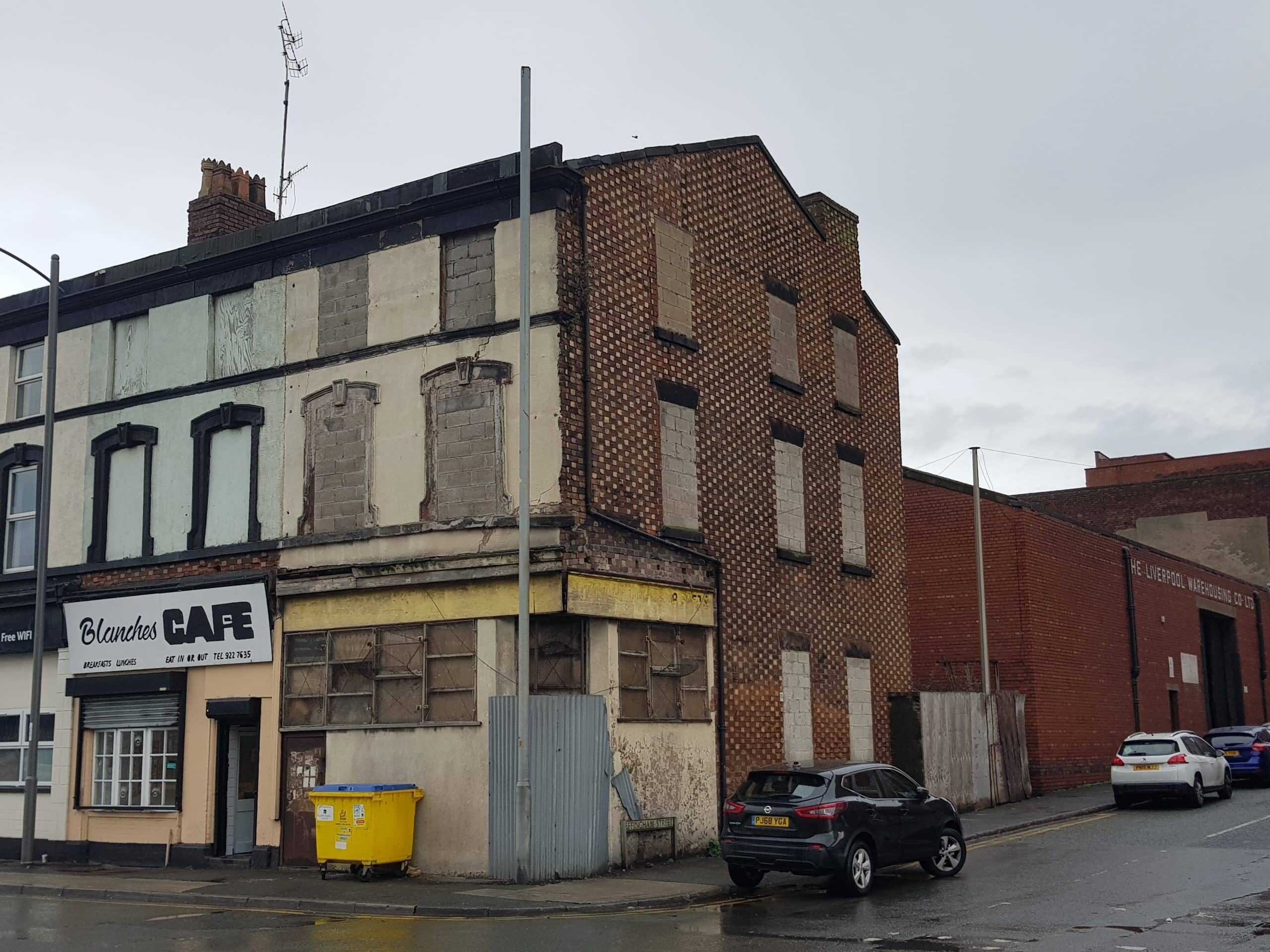
Listen. In 2025, probate waiting times in England hit 9-12 months. That’s nearly a year. The property sits empty. Bills stack up. £150-200 per month minimum just keeping it ticking over. Council tax doesn’t stop. Neither does insurance.
Last year, 387,000 estates went through probate in England and Wales. Most executors had no clue what they could legally do while waiting. So they did nothing. Watched money drain away. Month after month.
Here’s what you need to know right now.
You’re Not Completely Stuck
First thing: You can’t exchange contracts before probate. Can’t complete the property transaction. But you can do almost everything else.
Nobody tells you this. Solicitors assume you know. Estate agents want you waiting. Meanwhile, you’re haemorrhaging cash on an empty building.
The grant of probate gives you legal ownership. Until then? You’re in limbo. But limbo doesn’t mean paralyzed.
We’ve helped hundreds of executors prepare during this waiting period. Some saved thousands. Others prevented property damage that would’ve cost even more. Here’s exactly what you can do.
Five Things You Can Do Right Now
You can market the property. Take photos. Get offers. Just don’t sign anything binding until the grant comes through.
Get the property valued properly – Three written offers minimum. One from us. One from an estate agent. One from a surveyor. Write them down. Compare them honestly.
Clear the contents – Empty it. Sort belongings. Distribute to beneficiaries or charity shops. This needs doing anyway. Do it now while you’re waiting.
Maintain the building – Fix that leaking gutter. Replace broken windows. Keep it weatherproof. You’re legally obligated to prevent damage. Do it.
Pay urgent bills from estate funds – Council tax, utilities, insurance, immediate repairs. Keep receipts. Your solicitor will confirm these are legitimate estate expenses.
Line up your buyer – Find someone who’ll wait for probate then complete fast. That’s us. We’ll give you an offer now. Exchange when probate arrives. Complete on your timeline.
Why Estate Agents Waste Your Time?
Here’s the problem with estate agents. They’re not bad people. They’re just playing a different game.
They want the property on their books. Photographs on Rightmove. Viewings every Saturday. But here’s what happens:
You wait 9 months for probate first
Then 4-6 months marketing time
Chains form and collapse constantly
Buyers pull out week before exchange
You’re back to square one
Their fees? Between 1.5-3% plus VAT. That’s £4,500-9,000 on a £300,000 house. For what? A maybe. A might-happen. A we’ll-see.
Zero guarantee you’ll ever complete.
We’ve seen executors spend 18 months trying to sell inherited property through estate agents. Viewings. Offers. Surveyors. All collapses. Then they call us. We complete in three weeks.
You’re already stressed. Grieving probably. Last thing you need is buyers pulling out at the last minute because their buyer pulled out because their buyer’s mortgage fell through.
That’s the reality of property chains. One weak link destroys everything.
The Auction Trap Nobody Explains
Property auctioneers make it sound simple. Quick transaction. Guaranteed completion. Cash buyers only.
Here’s what they don’t mention up front.
Entry fee: 2.5% plus VAT. On a £300,000 property, that’s £7,500 gone immediately. Legal pack costs: £800-1,200. Marketing fees. Catalogue listing.
Reserve not met? You still pay the fees.
Now here’s the killer: Most auctions require 28-day completion. But you can’t complete without probate. So you’re either auctioning a property months before probate (risking the whole thing) or waiting anyway then auctioning (defeating the point).
We buy any house companies use auctions as a threat. “Sell to us cheap or you’ll have to auction and lose 10%.”
Rubbish. Don’t fall for it.
They’re trying to scare you into accepting their lowball offer. Which they’ll renegotiate down anyway once you’re committed.
Meet Thomas From Nottingham
Thomas inherited his mum’s house in West Bridgford. Probate got stuck at 11 months. Bills mounting. £1,940 already spent keeping the place maintained.
Estate agent wanted a listing. “We’ll get you top price,” they said. But probate wasn’t through. Auction company wanted fees up front. “Guaranteed transaction,” they promised. But couldn’t complete without the grant.
He called us instead.
Here’s what happened: We gave him an offer at 70% of realistic valuation. £217,000 on a £310,000 property. He knew exactly what he’d get. We covered £1,500 of his legal fees. His solicitor handled everything, not ours. Completion date? He picked it. Two weeks after probate granted.
No chains. No viewings. No estate agent fees. No uncertainty.
The beneficiaries were happy. Thomas could finally close that chapter and move on. That’s what matters.
How To Spot Liar Cash Buyers?
This is important. Pay attention.
Some companies claim they’re cash buyers. “We’ll complete in days,” they promise. “No chains, guaranteed.”
Then you get deeper. Suddenly there are “valuation issues.” The price drops. Or they reveal they need bridging finance. Or their buyer pulled out. Wait, their buyer? They told you they were the buyer.
Here’s how you check them. Takes five minutes.
Go to Companies House website. Search the company name. Click on their company number. Scroll down to “Charges.”
Look for:
Multiple charges from banks
Bridging finance lenders listed
“All assets” charges
Floating charges
If you see these? They’re borrowers pretending to be cash buyers. The deal will collapse. Guaranteed.
We have zero charges against our assets. Check us. Company number on our website. We dare you to look. You won’t find any because we don’t borrow money to buy houses.
That’s the difference between real cash buyers and liars using the term.
You can’t exchange contracts or complete the transaction. But marketing is allowed. Put it on Rightmove if you want. Get offers. Find buyers who’ll wait.
Just don’t sign anything legally binding until the grant arrives. Your solicitor will confirm this. It’s perfectly legal to line everything up ready.
Smart executors do this. They prepare during the waiting period. Find their buyer. Agree terms in principle. Then exchange and complete fast once probate comes through.
We work with executors doing exactly this. We give the offer now. Agree the timeline. Put it in writing. Then wait for probate together. When it arrives, we move immediately.
How Long Does Probate Take In 2026?
Currently 9-12 months for standard estates in England. That’s the reality. Some regions are worse. Some slightly better.
Complex estates? Add 4-6 months. HMRC involved because of inheritance tax complications? Add another 3 months minimum.
Property abroad in the estate? Foreign bank accounts? Disputed wills? You’re looking at 18-24 months potentially.
The Probate Registry is understaffed. Underfunded. Overwhelmed. This isn’t improving soon. Plan for the worst. Hope for better.
Meanwhile, that inherited house is costing you money. Every single month.
Can Executors Sell Property Below Market Value?
Yes, if beneficiaries agree in writing.
Smart executors get three written valuations. One from us. One from an estate agent. One from a surveyor. Then they choose based on circumstances.
You’re not obligated to get top price. You’re obligated to act reasonably and in the beneficiaries’ best interests.
Sometimes a certain exit at 70% beats an uncertain exit at 100% that might never happen. Sometimes completing in three weeks beats waiting another 6 months hoping for a chain to hold together.
Document everything. Get beneficiary agreement. Your solicitor will guide you. But don’t let anyone tell you that you must achieve full market value no matter what.
You can pay these from estate funds before probate is granted:
Funeral costs
Immediate property maintenance
Council tax on the inherited property
Utilities to prevent damage
Buildings insurance
Security measures
Emergency repairs
Keep every receipt. Bank statements showing payments. Your solicitor will need these when finalizing the estate accounts.
You can’t pay beneficiaries their inheritance. Can’t distribute assets. Can’t pay yourself executor fees yet. But necessary expenses to maintain the estate? Absolutely allowed.
Don’t let the property deteriorate because you’re scared to spend estate money. That’s worse. Prevents more damage. Costs more later.
Should You Sell An Inherited House Quickly?
Depends. Ask yourself these questions:
Is the property costing you money monthly? Is it causing family stress? Are beneficiaries arguing about what to do with it? Is it in poor condition getting worse?
If you answered yes to any of these, a quick sale might be smart.
Sometimes a fast exit at 70% beats a slow transaction at 100% that never completes. We’ve watched executors waste 18 months. Thousands in holding costs. Stress. Arguments. All for a property that eventually goes for less than our original offer anyway.
Because it deteriorated while sitting empty. Because the market shifted. Because their preferred buyer pulled out.
Here’s the truth: You don’t know what the future holds. You do know what we’re offering today.
Our Pricing Breakdown
We’re not hiding anything. This is exactly how we buy inherited house transactions and why we can complete with certainty.
Cost Component
Percentage
What It Covers
Purchase Price
70%
What you receive immediately
Our Legal Costs
2%
Both solicitors (we contribute £1,500 to yours)
Holding Costs
3%
Council tax, insurance, utilities, cleaning, maintenance
Stamp Duty
5%
Non-negotiable government tax we must pay
Resale Costs
5%
Estate agents, solicitors when we eventually sell
Gross Profit
15%
Before corporation tax at 25% reduces this further
That’s 70% to you. 30% covering our costs and profit. We’re buying a property we can’t immediately resell. Holding it. Maintaining it. Paying taxes on it. Eventually marketing it through estate agents ourselves.
We’re not getting rich on your inherited property. We’re providing certainty when you need it most.
Ready To Sell Without The Hassle?
How do we compare with other methods of sale? If you are flexible on the price, and need speed and certainty of sale, we are the ones to trust.
Method of sale
Value achieved
Fees
Timeframe
Is sale guaranteed?
Estate agents
90–95%
1–5%
3–6 months
No – one in three sales collapse
Auctioneers
70–80%
2% plus
2–3 months
No – half of properties don’t sell
Property Saviour
70–80%
£0
10–28 days
Yes – 99% success rate
Get a formal cash offer within 48 hours — no surveys, no delays, no fees.
Property Saviour vs Everyone Else
Let’s be honest about your options for selling inherited home transactions:
Estate Agents:
4-6 month marketing AFTER probate granted
Chains collapse constantly destroying deals
1.5-3% fees on uncertain transactions
Buyers pull out week before exchange
No guarantee you’ll ever complete
Viewings every weekend while grieving
Auctions:
2.5% entry fee plus VAT up front
Legal pack costs £800-1,200 minimum
Reserve not met? You still pay
28-day completion impossible without probate
Bidding might not reach your reserve
No control over final price
Liar Cash Buyers:
Promise UPTO 85% then renegotiate down
“Valuation issues” appear last minute
Hidden chains revealed after commitment
Companies House shows multiple charges
Fake urgency tactics to pressure you
Deal collapses when their finance falls through
Property Saviour (Us):
We handle selling inherited property differently because we understand what you’re going through. This isn’t just a method of sale. It’s an exit strategy when you need one.
Completion date you choose entirely
Your solicitor handles everything
£1,500 minimum towards your legal fees
Zero renegotiation – offer is final offer
Check our Companies House record yourself
Real success stories you can verify
Flexibility on completion timing
Price promise in writing
Our Assisted Property Transaction Service
Here’s something cash home buyers won’t offer you.
We have an assisted method of sale. Want to try the open market first? Fine. We’ll help.
Our skills, expertise, contacts – all at your disposal. We provide a cash advance showing our commitment to completing. You try to achieve full market value. We support that attempt.
Property doesn’t complete through the estate agent? We complete the purchase anyway at the agreed price. It’s a safety net.
Try for 100%. Know you’ll get 70% minimum guaranteed. Best of both approaches.
This is how confident we are. We’ll put money down while you test the market. That’s commitment.
What To Do This Weekend?
Stop waiting. Start preparing. Here’s your action plan:
Value the property properly with three written offers minimum
Check any cash buyer claims on Companies House immediately
Calculate your monthly holding costs honestly
Speak to beneficiaries about realistic timeline expectations
Request our no-obligation offer this week
Compare all options using real numbers not hope
Don’t wait for probate to start making decisions. Prepare now. Decide now. Act when the grant arrives.
The executors who do this save thousands. The ones who wait and hope? They watch money disappear monthly.
The Reality Check
We’re not asking you to trust us blindly. Check us. Verify us. Compare us. Then decide.
Look at our Companies House record. Read our actual reviews from real sellers. Compare our offer to estate agent estimates. Calculate the true cost of waiting another 6-12 months.
Then make an informed decision. Not an emotional one. Not a rushed one. An informed one based on your specific circumstances.
Nobody warns you how long probate takes. Nobody prepares you for the monthly costs of maintaining an empty property. Nobody tells you that property chains collapse more often than they complete.
You’re dealing with grief and bureaucracy simultaneously. That’s brutal. We understand that.
Time To Decide
You’ve got the information now. Three paths forward:
Path One: List with estate agents. Wait 9 months for probate. Then 4-6 months marketing. Hope chains hold. Cross fingers. Might work. Might not.
Path Two: Auction the property. Pay fees up front. Accept whatever bidders offer. Complete in 28 days somehow. Hope probate arrives first. Risky.
Path Three: Accept our offer. Know exactly what you’re getting. Choose your completion date. Use your own solicitor. Get £1,500 towards legal fees. Complete with certainty.
We complete purchases. We don’t promise. We don’t maybe. We don’t we’ll-see. We exchange contracts and complete transactions.
That’s our business. Buying inherited houses from executors who need certainty and speed.
Request Your Callback Now
Stop wondering. Stop stressing. Get answers.
Request a callback from us this week. We’ll explain your specific options. No pressure. No obligation. Just honest answers about selling your inherited house before or after probate.
Our guarantee: You’ll know exactly what you’ll receive and exactly when you’ll receive it. Your timeline. Your solicitor. Your decision.
That’s how we work. That’s why executors choose us over property auctions and estate agents every single time. Because certainty beats hope. Action beats waiting. Completion beats maybe.
Request that callback. Ask tough questions. Check our credentials. Compare our offer. Then decide based on facts.
The property isn’t getting more valuable sitting empty. The bills aren’t stopping. The stress isn’t decreasing.
But you can change that situation this week. One phone call. One honest conversation. One decision that ends the uncertainty.
Request your callback now. Let’s talk about your inherited property and your specific timeline.
Last updated: 30 January 2026
Meet the author
saddat
Saddat bought his first property in 2003. Got hooked instantly.
By 2009, he'd seen enough shady property buyers lying to desperate homeowners.
So he founded Property Saviour with one mission: tell sellers the truth.
Whether you’re facing a tricky sale, navigating probate, or simply looking to sell fast without hassle, you’re in the right place. Our blog is packed with practical advice, expert insights, and real-life tips to help homeowners, landlords, and executors across England, Scotland and Wales make informed decisions — whatever the condition of their property.
Can You Sell a Property With a Regulated Lifetime Tenancy?
Yes. You can sell a property with a regulated lifetime tenancy. But not to normal buyers.That tenant isn’t leaving. Ever. Until they die. Normal buyers can’t get mortgages on these propert...
Selling a commercial property isn’t like selling a house. You already know this.Your retail unit has been listed for 8 months. The office building needs £80,000 in repairs you can’t ...
Right. You’re on PropertySaviour.co.uk.Welcome. Glad you’re here.Now, before we get into the fun stuff—like actually helping you sell your house—we need to do the tedious legal...
Yes, you can sell a house with tree root damage, but mortgage lenders reject approximately 90% of applications until structural repairs are completed and monitored for 12 months, underpinning costs &p...
Can You Sell a House With a Weed Smoking Neighbour?
Yes, you can sell a house with a weed smoking neighbour, but buyers smell the cannabis during viewings, families with children withdraw immediately, approximately 65% of buyers reject properties where...
Yes, you can sell a house with a haunted reputation, but you must disclose any deaths or stigmatising events under certain circumstances, buyers research properties online and discover the history wit...
Can You Sell a House Without a Party Wall Agreement?
Yes, you can sell a house without a Party Wall Agreement, but buyers’ solicitors flag the missing agreement during conveyancing, approximately 75% of mortgage lenders require retrospective agree...
Yes, you can sell a house with a mineshaft, but mortgage lenders reject approximately 95% of applications on properties with recorded mineshafts, buildings insurance is nearly impossible to obtain at ...
Our official office hours run Monday through Friday, 9am to 5pm. But here's the thing—we're not clock-watchers.
We'll ring you back evenings, weekends, even bank holidays. Because your property sale matters more than our strict adherence to business hours. So do expect that call.
Got multiple properties to shift? Drop us a line at sell@propertysaviour.co.uk.
Prefer an actual conversation? Pick up the phone and call us.
Regulated by: The Property Ombudsman with Membership Number: T13839
Companies House Verification Check: Property Saviour buy properties in name of Collingtree Limited, Thistledown Barn, 204 Holcot Lane, Sywell, Northampton, NN6 0BG. Copyright 2026: No content is to be copied without authorisation in writing from us. Please refer to our Terms & Conditions for full details.