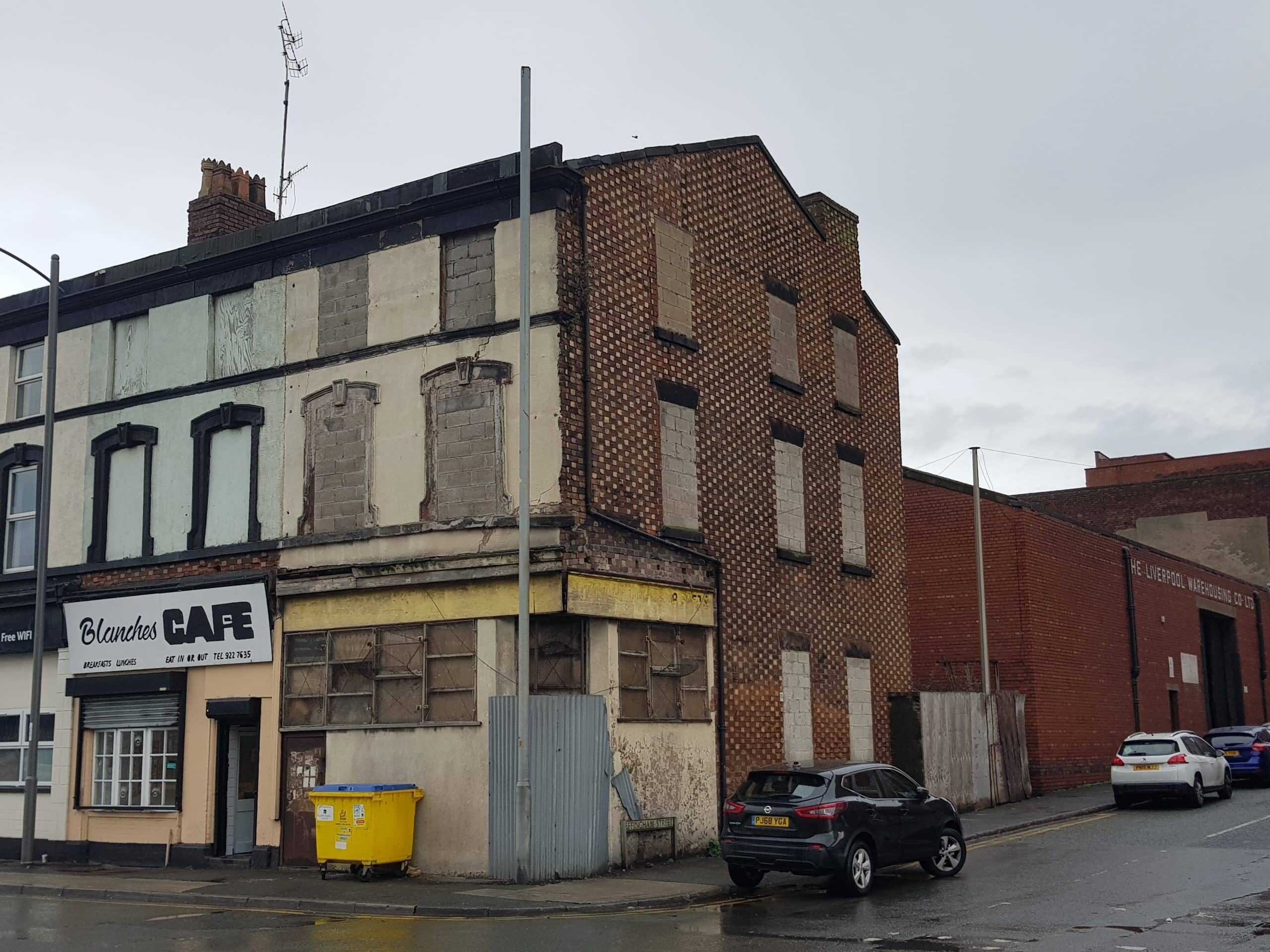
Is it better to sell or rent commercial property depends on whether net rental yields after real costs exceed alternative investment returns and whether landlord responsibilities justify the income received. Commercial property in the UK achieved average net initial yields of 8.7% in 2025, yet many landlords see actual returns below 4% after void periods, maintenance costs, and management burdens erode headline figures.
Commercial property buyers promise quick exits but demand 6 to 9 months due diligence examining tenant covenants, lease terms, and building condition before offering prices 15% to 25% below initial valuations when surveys discover maintenance backlogs.
The exhausting reality of being a commercial landlord hits hardest when tenant calls interrupt family dinners, maintenance emergencies demand weekend attention, and rent negotiations consume energy that should focus on growing your own business. Rental income sounds attractive until you experience the reality of what that monthly cheque truly costs in stress, time, and family sacrifice whilst commercial property buyers circle offering conditional contracts tied to mortgage approvals that collapse after months wasting your time.
Property Saviour offer immediate sale from landlord burdens purchasing your commercial property at 70% of realistic value within 21 to 28 days providing guaranteed completion whilst you retain rental income until your chosen completion date. We eliminate tenant management stress, maintenance emergency calls, and void period income losses through cash purchase certainty that commercial property buyers cannot match.
Request your call back today to discover how immediate sale liberates capital and reclaims family time that rental income slavery stole from you over years of weekend emergencies and tenant disputes.
The Rental Income Illusion
Gross rental yields of 6-8% appear attractive in letting agent brochures and property listings. These headline figures hide the reality of what landlords actually receive after accounting for costs that never stop accumulating.
Business rates during void periods consume months of rental profit in single bites. After the three-month relief period expires, full business rates apply whether tenants occupy the space or not. A retail unit with £24,000 rateable value costs £1,000 monthly in business rates whilst sitting empty—three months of void equals one quarter’s rent completely wiped out.
Maintenance obligations never disappear. Heating systems fail, roofs leak, electrics require upgrading, and compliance certificates demand renewal. Annual maintenance averaging 10-20% of rental income transforms that 8% gross yield into 6.4-7.2% before considering other costs.
Insurance premiums increase annually regardless of claims history. Professional indemnity, public liability, buildings insurance, and contents cover for communal areas all require payment whether the property generates income or remains void.
Service charge disputes with tenants create endless correspondence. They question every invoice, challenge every repair cost, and dispute maintenance schedules that you’re contractually obligated to provide. Each dispute consumes hours of management time worth real money in opportunity costs.
Management fees of 10-15% paid to letting agents who prioritise new instructions over existing landlords further erode returns. On £3,000 monthly rent, 12% management fees equal £360 monthly or £4,320 annually—money that could fund your own business marketing or personal investments instead.
Three-month void periods occurring every three to five years reduce annual returns by 5-8%. Commercial properties in good condition averaged three-month void periods, whilst those requiring refurbishment sat empty for twelve months on average. These voids deliver zero income whilst costs continue accumulating relentlessly.
Real Landlord Costs Nobody Warns You About
The disappointment hits hardest when rental income that looked attractive on paper delivers net returns barely exceeding savings account rates after accounting for void periods, tenant problems, and maintenance obligations that never stop.
Structural repairs appear without warning and cost tens of thousands. Roof replacements demand £15,000-£40,000 depending on building size. Heating system failures require £8,000-£20,000 for modern replacements meeting current efficiency standards. Electrical rewiring to meet safety compliance costs £5,000-£15,000 for typical commercial units.
Professional fees multiply throughout ownership. Solicitors charge £1,500-£3,000 for lease renewals or new tenant agreements. Accountants require £800-£2,000 annually for rental income tax returns and compliance advice. Surveyors cost £1,000-£2,500 for dilapidations assessments when tenants depart. Building surveyors charge £500-£1,500 for structural reports following tenant damage or weather events.
Energy Performance Certificates require renewal every ten years at £150-£500 per certificate. Fire risk assessments demand professional evaluation costing £300-£800. Asbestos surveys for older buildings cost £400-£1,200. Legionella risk assessments for water systems require £250-£600. Each compliance obligation creates ongoing expense streams that rental income must cover.
Empty property security becomes necessary during void periods. Boarding services cost £500-£2,000. Security patrols add £100-£300 monthly. Insurance premiums increase 30-50% for unoccupied buildings. Utility standing charges continue despite zero usage. Council tax or business rates apply throughout vacancy.
These real costs transform headline 8% gross yields into 3-5% net returns after accounting for realistic void periods, maintenance reality, and landlord obligations that estate agents never mention during purchase promotions.
Landlord Responsibilities That Never Stop
Being a commercial landlord creates ongoing obligations that consume time, energy, and mental bandwidth that monthly rent rarely compensates adequately for:
Structural repairs maintaining building integrity including roofs, walls, foundations, and load-bearing elements
Health and safety compliance ensuring fire safety, electrical testing, gas certificates, and emergency lighting
Each responsibility demands attention, creates potential liability, and generates ongoing management burden that restricts freedom and flexibility that property ownership supposedly provides.
Tenant Risk Creates Ongoing Uncertainty
Tenant financial difficulties lead to rent negotiations that reduce income or payment delays that disrupt cash flow. Economic pressures force struggling occupiers to request temporary reductions, extended payment terms, or service charge disputes that consume management time whilst reducing returns.
Lease break clauses allow tenants to exit mid-term, creating unexpected void periods that destroy annual return projections. A tenant exercising a year-three break on a ten-year lease leaves you facing immediate marketing costs, potential void periods, and re-letting agent fees consuming one month’s rent or more.
Rent review mechanisms can reduce income during economic downturns. Upward-only reviews protect landlords in rising markets but market-based reviews allow reductions when comparable properties achieve lower rents. That £30,000 annual rent can become £24,000 following review if local market conditions decline.
Tenant insolvency situations create the worst outcomes. Properties sit damaged following liquidation, rent arrears prove uncollectable, and you inherit removal costs for abandoned equipment, legal fees for possession orders, and refurbishment expenses before re-letting becomes possible.
The stress of difficult tenant relationships consuming weekend thoughts and evening emails rarely features in rental yield calculations. That 6% return suddenly seems inadequate compensation when tenant disputes occupy mental space that family time, personal hobbies, or your own business development should fill.
Opportunity Cost of Locked Capital
Capital locked in commercial property earning 4-6% net yields after real costs underperforms alternative investments delivering 8-10% returns without management burdens. The difference compounds dramatically over time, costing tens of thousands annually on substantial property values.
A £500,000 commercial building delivering 5% net yield after costs produces £25,000 annual income. That same capital invested in diversified portfolios, logistics warehouse REITs, or business expansion opportunities achieving 9% returns generates £45,000 annually—£20,000 additional income every single year without tenant calls, maintenance emergencies, or void anxieties.
Over five years, the difference equals £100,000 of missed returns, plus compound growth effects where superior year-one returns create larger capital bases for years two through five. The opportunity cost of accepting lower returns whilst enduring higher management burdens rarely makes financial sense when analysed objectively.
Locked capital prevents business growth opportunities that could transform your market position. Competitor acquisitions, warehouse expansions, equipment investments, or marketing campaigns all require available capital that property ownership ties up indefinitely whilst delivering mediocre returns.
Portfolio diversification becomes impossible when commercial property consumes your available investment capital. Spreading £500,000 across multiple asset classes, geographies, and investment types reduces risk whilst potentially increasing returns. Concentration in single commercial properties creates vulnerability to local market conditions, tenant behaviour, and property-specific problems.
Calculate Your True Net Rental Yield
Understanding real returns requires honest assessment of all costs reducing gross rental income:
Start with annual gross rent received from all tenants across all units
Subtract business rates paid during void periods at full rates after three-month relief expires
Deduct maintenance costs including repairs, compliance work, and emergency call-outs averaging 10-20% of rent
Remove letting agent management fees typically consuming 10-15% of annual rental income
Subtract insurance premiums for buildings, liability, contents, and rent guarantee policies
Deduct professional fees including accountants, solicitors, and surveyors used throughout the year
Remove void period income loss by calculating realistic vacancy rates based on tenant lease terms
Subtract re-letting costs including agent fees, marketing expenses, and legal costs for new tenants
Deduct compliance costs for certificates, assessments, and inspections required by law
Calculate net annual income after all real costs then divide by property value to determine true net yield
This calculation typically reveals net yields 3-5 percentage points below gross headline figures that looked attractive initially. A property advertised at 8% gross yield often delivers 3-5% net after realistic cost accounting.
How Denise from Southampton Escaped Reluctant Landlord Status?
Denise inherited a four-unit office building in Southampton generating £54,000 gross annual rent following her father’s passing. She became reluctant landlord to four small businesses occupying the 1980s building that needed modernisation.
Within eighteen months, two tenants gave notice citing relocation and downsizing. Void periods stretched to five months on one unit and seven months on another despite letting agent marketing efforts. Business rates cost £1,600 monthly on the empty units—£8,000 wasted over five months on one unit alone, £11,200 on the other over seven months.
Letting agents charged 12% commission equalling £6,480 annually on the £54,000 gross rent. Re-letting fees for the two new tenants cost £3,200 combined. Heating system failure during winter required £8,500 in emergency repairs to prevent pipe freezing. Roof leak repairs totalled £6,200 following storm damage.
Her supposedly profitable rental property delivered just £11,800 net after subtracting void costs (£19,200), letting fees (£9,680), maintenance (£14,700), and compliance costs (£2,400). That represents barely 3.5% return on the £340,000 building value—worse than savings accounts offering 4.5% with zero management burden.
Meanwhile, she spotted a managed REIT portfolio offering 8.5% returns with zero landlord responsibilities, professional management, diversified holdings, and quarterly distributions. The rental property consumed twelve hours monthly handling tenant issues, reviewing accounts, arranging maintenance, and responding to agent queries.
The stress of being accidental landlord whilst running her own marketing agency created genuine resentment towards the inheritance that should have been a blessing. Weekend thoughts focused on tenant problems rather than family activities. Evening emails addressed maintenance disputes instead of personal interests.
Denise contacted Property Saviour explaining her accidental landlord situation and desire for immediate exit without years of continued tenant management whilst hoping for better markets or improved tenants. She received a fair offer within 48 hours valuing the building with existing tenants and void units included—no demands to secure new tenants before proceeding, no requirements for building upgrades or compliance improvements.
She chose a three-week completion date aligning with her REIT investment timing and tax year planning. Property Saviour paid her £1,500 towards legal costs and she used her father’s long-standing solicitor throughout—no pressure to switch firms or use unknown legal advisors.
The sale completed precisely on schedule with zero reductions from the agreed price. Denise invested the proceeds into the managed REIT delivering £28,900 annually at 8.5% return versus the £11,800 net the rental property provided — £17,100 additional annual income without any landlord duties, tenant negotiations, maintenance emergencies, or void anxieties.
Within twelve months, the superior returns and eliminated management burden confirmed that selling beat continued reluctant landlording decisively. The time saved managing property redirected towards her marketing agency, generating additional business worth £35,000 in new client fees that property management had prevented pursuing.
Why Selling to Property Saviour Beats Continued Landlording?
Direct sale to us eliminates every landlord responsibility whilst providing immediate capital access for superior alternative investments. Completion occurs within 21-28 days from initial contact to funds in your account, compared to uncertain rental income streams dependent on tenant behaviour and market conditions.
Zero fees mean every penny of the agreed amount reaches your account. No estate agent commission consuming 1-2.5%, no marketing charges, no arrangement fees. We contribute a minimum £1,500 towards your legal costs, actually increasing net proceeds rather than reducing them through hidden deductions.
Seller-controlled completion dates deliver perfect timing for alternative investment opportunities, business ventures, or personal requirements. Need funds in three weeks to secure warehouse REIT positions? Done. Require six weeks to align with tax year planning or business transitions? That works too. Your circumstances dictate the timeline completely.
Existing tenancies don’t deter our purchases. Occupied units, void spaces, difficult tenants, lease complications—we purchase buildings in any configuration because we’re long-term investors, not buyers requiring perfect conditions before proceeding. Your tenant problems become our tenant relationships from completion day onwards.
The guaranteed sale removes all uncertainty from planning. Accept our offer and the money arrives on your chosen date—no sale fall-throughs, no mortgage application failures, no survey surprises. This certainty allows confident commitment to alternative investments knowing your capital source is secure and timing is controlled.
Net sale proceeds often exceed five years of rental profit after accounting for realistic void periods, maintenance costs, management fees, and landlord time investment. Converting five years of uncertain income streams into immediate capital frequently proves the superior financial decision when analysed objectively.
Our Price Promise Delivers Complete Certainty
Our price promise guarantees the offer we make remains the amount you receive at completion. No last-minute revaluations reducing proceeds, no manufactured problems demanding reductions, no desperate renegotiations days before completion when you’re committed and vulnerable.
When we assess your commercial property, we evaluate everything from day one. Void units, difficult tenants, building condition, lease complications, location factors—all considered in our initial offer. There’s no reason to reduce amounts later because we’ve factored genuine circumstances into our valuation from the start.
This approach contrasts sharply with dishonest cash buyers who plague this industry. They promise attractive amounts, building false confidence through encouraging initial contact, then manufacture problems justifying dramatic reductions just before completion. The two-valuer tactic sees one assessor providing encouraging valuations whilst another arrives later documenting every fault to justify inevitable price cuts.
Checking these operators through Companies House reveals their true nature. Search the buyer’s company name on the official Companies House website to verify genuine registration and trading history. Review incorporation dates—companies trading less than three years with limited track record promising six-figure purchases should raise immediate concerns.
Examine registered charges against the company carefully. A string of charges from multiple lenders indicates heavy borrowing and questionable financial stability. These public records reveal whether buyers genuinely have cash available or rely on bridging finance that might not materialise at completion, collapsing your sale after weeks of preparation.
Property owners in Manchester, Birmingham, Leeds, and across the UK have received exactly what we promised, allowing confident deployment of sale proceeds into higher-return alternatives without landlord responsibilities. Our reputation depends on transparent dealings and completed sales at agreed prices, not bait-and-switch tactics damaging seller interests.
Estate Agents Stretch Commercial Property Sales Over Months?
Selling through estate agents typically requires 6-12 months from listing to completion for commercial property. Continued landlord duties throughout this period include tenant management, maintenance obligations, rent collection, and void management if tenants depart during marketing.
Commission fees between 1% and 2.5% plus VAT directly reduce net proceeds. On a £600,000 building, 2% commission equals £12,000 plus £2,400 VAT—£14,400 that could have funded alternative investments or business expansion instead of intermediary pockets.
Marketing disrupts existing tenant relationships. Photographs, viewings, and “For Sale” boards announce your exit plans to occupiers who may seek alternative premises, triggering lease breaks or creating void situations that damage the asset you’re trying to sell. Each viewing interrupts tenant operations, creating friction that monthly rent must somehow compensate for.
Sale fall-through rates of 30-40% extend uncertainty over many months. Buyers withdraw, mortgage applications fail, surveys uncover problems restarting negotiations, and lease complications emerge during legal due diligence. Each collapse means continued landlord status with all associated responsibilities whilst starting the marketing process again.
Agent disappearances after initial valuations leave landlords in limbo. Phone calls go unreturned, promised viewings never materialise, and marketing efforts consist of portal listings you could have arranged yourself without paying thousands in commission for minimal actual service.
Auction Houses Offer Coin-Toss Odds
Property auctions deliver 48-53% success rates meaning your building faces near-equal chances of selling or failing publicly. Commercial properties carry particularly uncertain auction outcomes given smaller buyer pools and more complex due diligence requirements than residential assets.
Upfront fees of £3,000 to £8,000 become payable regardless of whether your property sells. Entry fees, legal pack preparation, marketing costs, and catalogue placement all require payment before auction day. Properties failing to sell leave you thousands out of pocket with zero proceeds, continued landlord status, and a “failed at auction” stigma attached.
Reserve price decisions create impossible dilemmas. Set your reserve at genuine market value and risk bidding stopping short, leaving you with no sale and depleted finances. Price it below market hoping to stimulate competition and you risk underselling to investors hunting bargains in pressured auction environments.
Properties that don’t sell under the hammer might attract post-auction approaches, but these typically arrive 10-20% below your failed reserve. Buyers recognise your desperation following public failure, exploiting weak negotiating position to reduce proceeds you ultimately receive whilst you continue shouldering landlord responsibilities indefinitely.
The three to four month timeline from auction booking to potential completion extends landlord duties throughout. Continued tenant management, maintenance obligations, and void risks persist whilst waiting for uncertain auction outcomes that might never deliver sale completion.
Compare Renting Versus Selling Options
This comparison demonstrates why property owners increasingly choose direct sale when rental returns fail to compensate adequately for landlord burdens and locked capital.
Option
Annual Net Returns
Time Investment
Risk Level
Capital Access
Exit Timeline
Ongoing Obligations
Continue Renting
3-6% (after real costs)
10-15 hours monthly
High (tenant dependent)
Zero (locked)
Indefinite
Landlord duties forever
Estate Agent Sale
£0 (less 1-2.5% commission)
5-10 hours monthly during sale
Medium (30-40% fail)
97.5-99% of value
6-12 months
Landlord duties until completion
Auction
£0 (less £3k-£8k fees)
10-15 hours preparation
Very High (48-53% odds)
100% if sells
3-4 months
Landlord duties if fails
Property Saviour
£0 (plus £1,500 contribution)
2-3 hours total
Zero (guaranteed)
100% certain
21-28 days
None from completion
Is It Better to Sell or Rent Commercial Property?
Selling is better when net rental yields after real costs fall below 6%, when landlord responsibilities outweigh income benefits, or when capital can achieve superior returns in alternative investments or business expansion without management burdens consuming time and energy.
Rent only when yields genuinely exceed 7-8% after all costs, tenant demand remains demonstrably strong, maintenance requirements stay minimal, and you actively enjoy landlord responsibilities rather than resenting them. Everything else favours decisive exit through guaranteed sale.
What Is the Average Rental Yield on Commercial Property?
Average gross commercial property rental yields range from 6.5% to 8.7% nationally depending on sector and location, but net yields after void periods, maintenance, management fees, and compliance costs typically fall to 4-6% or lower, barely compensating for landlord responsibilities and capital lock-up.
These averages mask huge variations. Prime properties in strong locations with quality tenants on long leases might achieve 7-8% net yields. Secondary properties with shorter leases, difficult tenants, or deferred maintenance often deliver 2-4% net returns after realistic cost accounting.
Ready To Sell Without The Hassle?
How do we compare with other methods of sale? If you are flexible on the price, and need speed and certainty of sale, we are the ones to trust.
Method of sale
Value achieved
Fees
Timeframe
Is sale guaranteed?
Estate agents
90–95%
1–5%
3–6 months
No – one in three sales collapse
Auctioneers
70–80%
2% plus
2–3 months
No – half of properties don’t sell
Property Saviour
70–80%
£0
10–28 days
Yes – 99% success rate
Get a formal cash offer within 48 hours — no surveys, no delays, no fees.
How Much Does It Cost to Be a Commercial Landlord?
Commercial landlords face business rates on void periods costing £1,000-£2,000 monthly after relief expires, maintenance averaging 10-20% of annual rent, insurance premiums of £800-£2,000 annually, compliance costs of £1,000-£3,000, letting agent fees consuming 10-15% of rent, legal fees for lease work, and management time worth thousands in opportunity costs.
Total annual costs typically consume 30-50% of gross rental income, transforming headline 8% gross yields into 4-5% net returns after honest accounting. Properties with problematic tenants, extended void periods, or deferred maintenance can see costs exceed income, creating negative returns despite occupied units generating rent.
Can You Make Money Renting Commercial Property?
Money can be made renting commercial property when net yields after all costs exceed alternative investment returns, but realistic void periods, tenant risks, management burdens, and opportunity costs often erode profits below headline rental figures that looked attractive initially.
Successful commercial landlords typically hold multiple properties spreading risk, employ professional management reducing personal time investment, maintain substantial cash reserves covering unexpected costs, and accept 4-6% net returns as adequate compensation for illiquid capital and ongoing responsibilities.
What Happens When Commercial Tenants Leave?
When commercial tenants leave, landlords face three-month business rates relief followed by full rates, marketing costs for re-letting, void period income loss averaging 3-12 months depending on property condition, potential dilapidations negotiations regarding damage, and re-letting agent fees consuming 10-15% of annual rent for new tenants.
Properties in good condition with modern facilities average three-month void periods. Those requiring refurbishment or modernisation sit empty twelve months on average. Each month of void costs £1,000-£2,000 in business rates plus lost rental income creating genuine financial pressure on landlord cash flows.
Is Commercial Property a Good Investment in 2026?
Commercial property investment in 2026 faces challenges including economic uncertainty affecting tenant stability, vacancy rates reaching 14.8% in some areas, declining rental values in secondary office and retail sectors, and alternative investments offering superior returns without management burdens consuming time and mental energy.
Successful commercial property investment requires professional management, substantial cash reserves, diversified portfolios spreading risk, and acceptance of 4-6% net yields as adequate compensation for landlord responsibilities. Individual landlords with single properties often find management burdens and capital lock-up outweigh modest net returns achieved.
Should I Sell My Commercial Property With Tenants?
Selling with tenants can be advantageous as occupied units demonstrate income and reduce void risks for buyers. Property Saviour purchases buildings with existing tenants in situ, eliminating re-letting hassles and allowing immediate exit from landlord status without tenant management during prolonged estate agent marketing periods.
Many traditional buyers prefer vacant possession, limiting your market and extending selling timelines. Cash buyers like us value occupied units at current rental levels, purchasing tenant relationships and lease arrangements without requiring vacant properties before proceeding.
How Long Do Commercial Tenants Usually Stay?
Commercial lease terms typically span 3-10 years, though break clauses often allow earlier exit. Actual occupancy averages 5-7 years, meaning landlords face regular re-letting cycles with associated void costs, re-letting fees, and tenant risks creating ongoing management obligations throughout ownership.
Tenant stability varies dramatically by sector. Professional services offices see longer occupancy than retail units affected by changing consumer behaviour. Industrial and warehouse tenants often stay longer than hospitality or leisure occupiers facing volatile trading conditions.
Make Your Decision Based on Reality
Your commercial property decision should reflect honest comparison of net rental yields after realistic costs against certain sale proceeds available immediately. Gross rental figures of 6-8% sound attractive until you subtract void costs, maintenance reality, management fees, tenant risks, and opportunity costs from locked capital.
Net yields of 3-5% after honest accounting barely compensate for landlord responsibilities consuming evenings, weekends, and mental bandwidth that family time, personal interests, or business development should fill. Monthly rent arriving in your account rarely justifies tenant calls at inconvenient times, maintenance emergencies disrupting plans, and void anxieties preventing restful sleep.
Sale proceeds invested in diversified portfolios, managed REITs, or business expansion opportunities often deliver superior returns without any landlord obligations. The compound effect of higher returns without management burdens transforms financial positions over five to ten years, creating wealth that mediocre rental yields can never match.
Your time carries value that rental yield calculations ignore. Twelve hours monthly managing property equals 144 hours annually—three full working weeks consumed by landlord duties. Value those hours at £50 each and landlord status costs £7,200 annually in opportunity cost before accounting for stress, interrupted evenings, and weekend disruptions.
Commercial property ownership serves you only when net yields genuinely exceed alternatives and landlord responsibilities align with your lifestyle preferences. Everything else favours decisive exit through guaranteed sale that liberates capital, eliminates obligations, and allows pursuit of superior opportunities without tenant complications.
Property Saviour offers something different from estate agents dragging sales over 6-12 months whilst landlord duties continue, or auctions gambling with 50-50 odds whilst charging thousands upfront. We provide transparent offers reflecting genuine market value, seller-controlled completion dates matching your requirements, zero fees with our £1,500 legal contribution, and the price promise delivering exactly what we agreed from day one.
Certainty, speed, and integrity define our approach. Landlords who’ve spent years shouldering responsibilities for modest net returns discover that immediate capital access often exceeds five years of rental profit whilst eliminating every tenant obligation from completion day onwards. The relief of ending landlord status frequently matters more than small percentage differences in proceeds versus uncertain future rental streams.
Request your no-obligation offer today to compare guaranteed sale proceeds against realistic rental income projections accounting for void periods, maintenance costs, management fees, and landlord time investment. This information costs nothing and creates zero commitment, yet provides clarity needed for confident decision-making about your commercial property future.
Continuing as landlord hoping conditions improve or yields increase costs real money monthly in opportunity loss, management burden, and stress that rental income rarely compensates adequately for. Decisive action through guaranteed sale beats uncertain waiting when honest analysis reveals landlord responsibilities outweigh benefits received.
Call us now or complete the online form to receive your fair offer within 48 hours. Whether you face disappointing net yields, difficult tenants, extended void periods, or simply want capital for superior alternative investments without landlord burdens, we’ll show you how certain sale proceeds in 21-28 days compares against uncertain rental income over uncertain timelines.
Choose your completion date, use your own solicitor, receive every penny of the agreed amount plus our £1,500 legal contribution, and discover the liberation that ending landlord status delivers. That’s our guarantee to commercial property owners ready to convert underperforming rental assets into immediate capital funding superior opportunities without tenant complications consuming another evening, weekend, or moment of mental peace that landlord status steals relentlessly.
Last updated: 20 January 2026
Meet the author
saddat
Saddat bought his first property in 2003. Got hooked instantly.
By 2009, he'd seen enough shady property buyers lying to desperate homeowners.
So he founded Property Saviour with one mission: tell sellers the truth.
Whether you’re facing a tricky sale, navigating probate, or simply looking to sell fast without hassle, you’re in the right place. Our blog is packed with practical advice, expert insights, and real-life tips to help homeowners, landlords, and executors across England, Scotland and Wales make informed decisions — whatever the condition of their property.
Can You Sell a Property With a Regulated Lifetime Tenancy?
Yes. You can sell a property with a regulated lifetime tenancy. But not to normal buyers.That tenant isn’t leaving. Ever. Until they die. Normal buyers can’t get mortgages on these propert...
Selling a commercial property isn’t like selling a house. You already know this.Your retail unit has been listed for 8 months. The office building needs £80,000 in repairs you can’t ...
Right. You’re on PropertySaviour.co.uk.Welcome. Glad you’re here.Now, before we get into the fun stuff—like actually helping you sell your house—we need to do the tedious legal...
Yes, you can sell a house with tree root damage, but mortgage lenders reject approximately 90% of applications until structural repairs are completed and monitored for 12 months, underpinning costs &p...
Can You Sell a House With a Weed Smoking Neighbour?
Yes, you can sell a house with a weed smoking neighbour, but buyers smell the cannabis during viewings, families with children withdraw immediately, approximately 65% of buyers reject properties where...
Yes, you can sell a house with a haunted reputation, but you must disclose any deaths or stigmatising events under certain circumstances, buyers research properties online and discover the history wit...
Can You Sell a House Without a Party Wall Agreement?
Yes, you can sell a house without a Party Wall Agreement, but buyers’ solicitors flag the missing agreement during conveyancing, approximately 75% of mortgage lenders require retrospective agree...
Yes, you can sell a house with a mineshaft, but mortgage lenders reject approximately 95% of applications on properties with recorded mineshafts, buildings insurance is nearly impossible to obtain at ...
Our official office hours run Monday through Friday, 9am to 5pm. But here's the thing—we're not clock-watchers.
We'll ring you back evenings, weekends, even bank holidays. Because your property sale matters more than our strict adherence to business hours. So do expect that call.
Got multiple properties to shift? Drop us a line at sell@propertysaviour.co.uk.
Prefer an actual conversation? Pick up the phone and call us.
Regulated by: The Property Ombudsman with Membership Number: T13839
Companies House Verification Check: Property Saviour buy properties in name of Collingtree Limited, Thistledown Barn, 204 Holcot Lane, Sywell, Northampton, NN6 0BG. Copyright 2026: No content is to be copied without authorisation in writing from us. Please refer to our Terms & Conditions for full details.