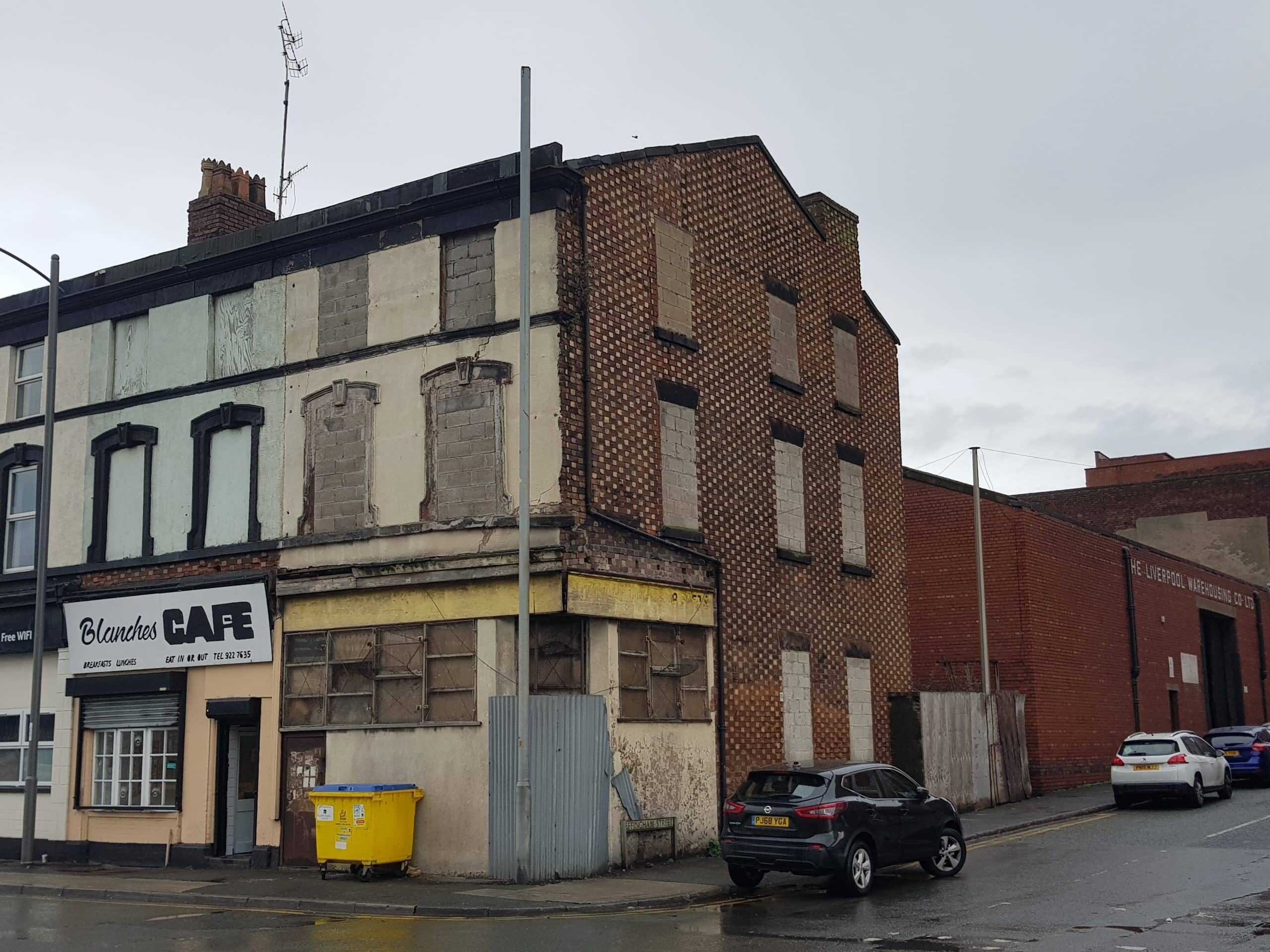
How to sell a retail shop in today’s market requires facing uncomfortable truths about high street decline, e-commerce dominance, and structural oversupply. Whether you’re selling an operating business with premises, disposing of a vacant retail unit draining thousands monthly in business rates, or trying to offload a shop with flat above that mortgage lenders refuse to touch, the retail property landscape has fundamentally changed. One in seven high street shops sits empty, values have plummeted in secondary locations, and traditional buyers avoid retail properties like contaminated sites.
Let us show you what actually works when business brokers fail and estate agents waste your time.
The Retail Property Crisis Nobody’s Addressing
Britain has 30% more retail floor space per capita than European competitors. That’s not a temporary imbalance correcting itself naturally. That’s structural oversupply created by decades of retail expansion meeting permanent consumer shift to online shopping.
UK shopping centre capital values have fallen 35% since their 2016 peak. Secondary shopping centres trade at 10% of their original development costs. High street vacancy rates in some towns exceed 20%. Empty retail units discourage investment, reduce footfall, and create downward spirals that municipal authorities cannot reverse through optimistic regeneration schemes.
The retail apocalypse pundits predicted didn’t arrive overnight. Instead, it’s progressing relentlessly—a slow-motion collapse where property values erode monthly, buyers disappear entirely from secondary locations, and shop owners find themselves trapped in premises they cannot sell at any reasonable price.
This is the market you’re attempting to navigate when you decide to sell a retail shop.
How Do I Sell a Retail Shop in the UK?
Selling a retail shop splits into three distinct approaches, each with different challenges and timelines. You can sell the operating business with property together, attracting buyers wanting turnkey retail operations. You can sell just the property after closing your business or when tenants leave. Or you can attempt the mixed approach—selling business to one buyer whilst property transfers separately.
Operating business sales through business brokers average 12-18 months. Buyers need substantial capital purchasing both business goodwill and property. Banks lend reluctantly for retail acquisitions given sector headwinds. Due diligence on accounts, stock valuations, customer databases, and lease terms extends timelines considerably.
Property-only sales through estate agents face 9-15 month marketing periods for vacant retail units. The declining high street narrative scares investors. Business rates continue draining resources throughout marketing. Offers arrive infrequently and below asking prices. Many properties simply don’t sell through traditional marketing.
We buy retail shop properties within 14-21 days regardless of whether businesses operate or premises sit vacant. We assess realistic current market value, offer 70% of that valuation reflecting immediate certain completion, and complete on your chosen date. No business broker commissions. No estate agent fees. No months of uncertainty whilst costs mount.
Can I Sell My Retail Shop If I Have a Lease?
Yes, though lease assignment requires landlord consent creating complications that kill many sales. Commercial leases include assignment clauses requiring landlord approval before transferring tenancy to buyers. Landlords assess buyer financial strength, business plans, references, and creditworthiness. They can refuse consent if grounds exist, though “unreasonably” withholding consent may breach lease terms.
The approval process takes weeks or months. Many potential buyers fail landlord qualification criteria. Some landlords demand rent deposits or guarantor upgrades as consent conditions. Original leaseholders often remain guarantors even after assignment, creating continuing liability if new tenants default.
Lease terms dramatically affect saleability. Long leases with upward-only rent reviews in declining markets create negative value—liabilities exceeding property worth. Onerous repairing obligations deter buyers. Restrictive user clauses prevent alternative retail uses. Break clauses approaching soon reduce investor appeal.
Alternatively, you can negotiate lease surrender with landlords. They regain possession. You’re released from continuing obligations. This works when landlords have alternative tenant prospects or redevelopment plans. Otherwise, they resist surrenders, preferring you continue paying rent.
We handle lease assignment negotiations directly with landlords when buying leasehold retail properties. We provide financial documentation, references, and business plans meeting landlord requirements. When assignments prove impossible, we negotiate surrender terms or purchase subject to lease complications being resolved.
What Affects Retail Shop Property Values?
Location dominates everything. Prime high streets in major cities with strong tourist traffic and affluent demographics retain value despite broader retail decline. Secondary town centres with limited footfall, declining demographics, and high vacancy rates have seen values plummet 40-50% from peaks.
Zone A methodology values retail property differently from other commercial premises. The first 6.1 metres depth from shop window (Zone A) carries highest value, reflecting prime display and customer access space. Subsequent 6.1 metres (Zone B) typically values at half Zone A rates. Zone C halves again. Remaining depth values at remainder rates.
This creates counterintuitive scenarios where wide shallow shops have substantially higher rateable values than narrow deep shops with identical total floor space. Frontage width matters more than total size. Obstructed windows or split levels reduce values. Anchor store proximity (major retailer drawing footfall) multiplies Zone A values significantly.
Business rates based on rateable values create ongoing costs averaging £1,000-£2,500 monthly even after 75% retail relief. These costs continue on vacant properties, draining resources throughout marketing periods.
Mixed-use properties combining retail with residential flats above face valuation nightmares. Mortgage lenders refuse residential loans on flats above commercial premises. Commercial lenders view residential elements as complications. Properties fall between markets, attracting neither buyer type effectively.
E-commerce competition permanently reduced physical retail property values. Even successful retail now provides experiences rather than transactions. Traditional retail units lack configurations supporting experiential retail without expensive conversions most locations cannot justify economically.
Sandra’s High Street Fashion Boutique Escape
Sandra owned a high street fashion boutique in Swindon that her family had operated for 23 years. E-commerce competition steadily eroded turnover from £380,000 annually in 2015 to £140,000 by 2024. Her lease had eight years remaining at £32,000 annual rent. She was losing £1,200 monthly keeping the business operating whilst paying herself nothing.
A business broker valued the business at £45,000 based on stock and fixtures. The leasehold property itself carried negative value given the rent exceeded market rates in declining Swindon high street. The broker marketed for 14 months. Three enquiries resulted in zero serious offers. Nobody wanted a struggling fashion retail business in a secondary location with above-market rent obligations.
Sandra closed the business in desperation. She approached her landlord about lease surrender. They refused unless she paid £60,000 representing rent they’d lose finding new tenants. She couldn’t afford that. She was stuck with lease obligations but no business income covering them. Business rates of £1,850 monthly continued on the empty shop.
An estate agent suggested marketing the lease assignment at £15,000, hoping someone wanted retail space in that location. Six months passed. Two viewings happened. Zero offers arrived. Sandra had spent £11,100 on business rates alone with eight years of lease obligations stretching ahead impossibly.
Her accountant found us in month seven of empty property hell. We viewed within two days. We assessed the realistic situation honestly—negative value lease in declining secondary location with substantial business rates liability and continuing rent obligations.
We offered to negotiate lease surrender with her landlord, paying £25,000 towards their requirements in exchange for Sandra’s release from all continuing obligations. Our total offer to Sandra was effectively £25,000 plus her immediate freedom from an eight-year nightmare.
Sandra’s landlord accepted our negotiated £25,000 surrender payment. We completed within three weeks. Sandra’s business rates liability stopped immediately. Her lease obligations ended permanently. She walked away from a situation that had trapped her with mounting losses and no visible escape route.
The £25,000 was 70% of the realistic value we assessed for extricating her from negative value lease obligations. She gained immediate exit from a financial trap destroying her mental health and consuming her savings.
How Long Does It Take to Sell a Retail Shop?
Business brokers marketing operating retail businesses with property average 12-18 months finding suitable buyers. Most enquiries come from individuals lacking capital for both business purchase and property acquisition. Banks require substantial deposits and business plans proving retail viability—increasingly difficult given sector challenges. Due diligence examining accounts, stock valuations, lease terms, and supplier relationships extends timelines by months.
Estate agents marketing vacant retail properties face 9-15 month average timelines in current market conditions. Secondary locations often exceed 18 months or simply don’t sell at achievable prices. Every month extends your financial bleeding through business rates, security costs, insurance, and maintenance obligations.
Shopping centre units face particular challenges. Major centres retain some buyer interest. Secondary shopping centres struggle finding any buyers given 35% value declines and uncertain futures. Retail park units perform better but still require 6-12 months finding investors.
Prime high street locations in major cities complete fastest—potentially 6-9 months. But even central London retail has softened. Secondary locations face devastated demand where buyers simply don’t exist at prices sellers can accept.
We provide offers within 48 hours of viewing your retail property. Exchange happens within 7-10 days. Completion occurs within 14-21 days guaranteed. That speed stops business rates drain, ends security cost bleeding, and provides immediate certain exit from deteriorating situations.
What Happens to My Lease When I Sell My Retail Shop?
Lease assignment transfers your tenancy obligations to buyers who become new tenants. The process requires landlord consent, which they cannot unreasonably withhold but can refuse if legitimate grounds exist. Buyers must satisfy landlord financial covenants, provide satisfactory references, submit acceptable business plans, and sometimes provide enhanced security deposits.
The consent process involves:
Formal application to landlord with buyer details
Financial disclosure from buyer including accounts and references
Landlord assessment of buyer suitability (typically 4-8 weeks)
Negotiation of consent conditions (deposits, guarantees, rent reviews)
Legal documentation of assignment once consent granted
Deed of assignment transferring lease to buyer
Original leaseholders frequently remain guarantors even after assignment. If new tenants default on rent or breach lease terms, landlords pursue original tenants under continuing guarantor obligations. This creates residual liability many sellers don’t realise they’re accepting.
Alternatively, lease surrender negotiations release you from all continuing obligations in exchange for payments compensating landlords for lost rent and costs finding replacement tenants. Surrender values depend on landlord alternatives—properties with redevelopment potential or strong re-letting prospects command lower surrender premiums.
We handle both routes. For viable retail locations, we complete lease assignments providing landlords with financially strong, experienced commercial property operators. For challenging locations or negative value leases, we negotiate surrender terms achieving your release at realistic cost.
Do I Need to Sell My Retail Business with the Property?
No, and separating often proves sensible given different buyer pools for businesses versus properties. Retail business buyers want operations, customer databases, supplier relationships, and stock. Property buyers want locations, investment returns, development potential, or alternative use opportunities.
Selling Business and Property Together:
Maximises total value when both have merit. Requires buyers with substantial capital and retail operating expertise. Timelines extend 12-18 months. Business brokers charge 5-10% on business value plus separate property commission. Few buyers qualify.
Selling Business Only (Assigning Lease):
Attracts retail operators wanting turnkey businesses. Avoids property value discussions. Buyer assumes lease obligations. You exit quickly if buyers and landlords align. Values limited to stock, fixtures, and modest goodwill in current market.
Selling Property Only:
Attracts investors, developers, or alternative use buyers. Requires closing business or waiting for lease end. Vacant property costs mount during marketing. Buyers focus purely on property merits and location fundamentals.
We buy retail properties regardless of business status. Operating business? We buy just the property, you handle business disposal separately or close operations. Vacant unit? We buy immediately, ending your cost drain. Mixed situation? We structure approaches suiting your circumstances.
Can I Sell a Vacant Retail Shop?
Yes, though vacant retail properties face specific challenges that occupied premises avoid. Business rates continue at 25% of full rates (after 75% retail relief) on empty shops—still £1,000-£2,500 monthly on many units. That’s £12,000-£30,000 annually burning whilst property generates nothing.
Security becomes essential because vacant shops attract vandalism, break-ins, and squatters. Monthly security patrols cost £300-£600. Insurance premiums increase for vacant commercial premises. Window displays deteriorate, presenting neglected appearances that damage neighbouring property values and discourage potential buyers.
Empty retail units contribute to high street decline perception. Councils pressure owners to find occupiers or improve appearances. Neighbours complain about eyesores. Local authorities threaten compulsory purchase orders in extreme cases. The social pressure compounds financial stress.
Planning restrictions prevent easy change of use from retail to residential or alternative commercial purposes. Local authorities resist losing retail provision even in oversupplied markets. Change of use applications take months, cost thousands, and often face refusal. You’re trapped with retail-designated property in declining retail market.
We specialise in vacant retail properties precisely because traditional buyers avoid them. We understand the business rates pressure, the security concerns, the planning restrictions, and the declining high street reality. We assess current condition honestly, offer 70% of realistic vacant retail property value, and complete within 14-21 days ending your monthly drain permanently.
The Zone A Valuation Method Explained
Retail properties use unique valuation methodology reflecting that front portions near windows have substantially higher value than rear areas. The Zone A system divides shops into zones measuring 6.1 metres depth:
Zone A (0-6.1m from shop window): Full value. Prime display space, maximum customer exposure, highest commercial worth. Rateable value calculated on Zone A square metres at full rate.
Zone B (6.1m-12.2m depth): Half Zone A value. Still accessible but reduced customer interaction. Counted at 50% for rateable value calculations.
Zone C (12.2m-18.3m depth): Quarter Zone A value (half of Zone B). Typically storage or less accessible retail. Counted at 25% for rateable value.
Remainder (beyond 18.3m depth): Eighth Zone A value (half of Zone C). Usually storage, offices, or facilities. Counted at 12.5% for rateable value.
This methodology creates scenarios where two 200 square metre shops have drastically different rateable values and therefore business rates. A 10m wide × 20m deep shop has much higher Zone A area than a 5m wide × 40m deep shop, despite identical total size. The wide shallow configuration captures more valuable frontage space.
Anchor stores (major retailers like Marks & Spencer, John Lewis, or Boots) multiply surrounding Zone A values by factors of 1.5-3× because they draw footfall benefiting nearby shops. Losing anchor tenants devastates surrounding property values and business rates, though appeals can reduce assessments.
Understanding Zone A valuation matters because business rates directly reflect these calculations. Properties in identical locations with similar sizes can have vastly different rate bills based purely on width versus depth configuration.
Why Retail Properties Fail Through Traditional Methods of Sale?
Estate agents and business brokers apply residential or standard commercial property marketing approaches to retail sales. It doesn’t work because retail property fundamentally differs in 2025:
Mixed-use problems: Shop with flat above eliminates most buyer types
Business rates burden: Ongoing costs on vacant property during lengthy marketing
Planning restrictions: Cannot easily change retail to alternative uses
Negative perception: Empty shops signal declining areas discouraging investment
Traditional marketing hopes optimistic buyers will appear offering reasonable prices. That hope contradicts market reality. Retail property buyers have largely vanished from secondary locations. Those remaining demand discounts reflecting risk and uncertainty.
Estate Agent Failures for Retail Property Owners
Estate agents charge 1-3% commission plus VAT on retail property sales. A £200,000 shop costs you £2,000-£6,000 in fees whether sale takes nine months or nineteen months. During that period, you’re paying:
Business rates averaging £1,000-£2,500 monthly even with 75% retail relief
Empty window displays presenting negative image affecting value
Neighbouring business complaints about eyesore properties
Council pressure to improve appearance or find occupiers
Estate agents cannot control retail property market fundamentals. They cannot manufacture buyers in oversupplied secondary locations. They cannot overcome mortgage lender refusal on mixed-use properties. They cannot compress 9-15 month timelines into urgent situations requiring immediate exits.
Their business model depends on hope—hope that buyers exist, hope that offers arrive, hope that completions succeed. Retail property market reality contradicts that hope in most locations.
Business Broker Complications and Costs
Business brokers focus on selling operating retail businesses, charging 5-10% commission on business sale price plus separate property transaction fees. Their process involves:
Preparing confidential business memorandums with financial performance data
Marketing to databases of prospective business buyers
Conducting viewings and explaining business operations
Facilitating negotiations on business valuations including stock, goodwill, customer base
Coordinating due diligence on accounts, suppliers, lease terms, intellectual property
Managing lease assignment applications and landlord negotiations
Handling completion logistics including stock takes and handover
This comprehensive service sounds valuable until you realise timelines average 12-18 months with no completion guarantee. Most prospective buyers lack capital purchasing both business and property. Banks increasingly refuse retail business acquisition financing. Due diligence uncovers issues collapsing negotiations after months of work.
Meanwhile, your struggling retail business continues losing money monthly. Or your vacant property continues draining resources through business rates and costs. The 5-10% commission on a £50,000-£150,000 business sale represents £2,500-£15,000 you’ll pay if miracle completion occurs.
We buy retail properties without requiring business sales. Close your business beforehand, during negotiations, or after completion—your choice. We’re purchasing property, not business operations. This separation simplifies everything and accelerates timelines from 12-18 months to 14-21 days.
Ready To Sell Without The Hassle?
How do we compare with other methods of sale? If you are flexible on the price, and need speed and certainty of sale, we are the ones to trust.
Method of sale
Value achieved
Fees
Timeframe
Is sale guaranteed?
Estate agents
90–95%
1–5%
3–6 months
No – one in three sales collapse
Auctioneers
70–80%
2% plus
2–3 months
No – half of properties don’t sell
Property Saviour
70–80%
£0
10–28 days
Yes – 99% success rate
Get a formal cash offer within 48 hours — no surveys, no delays, no fees.
Comparing Real Options for Selling Your Retail Shop
The numbers reveal which approaches work when you need to sell a retail shop in 2025’s challenging market.
Your Situation
Business Broker
Estate Agent
Auction
Property Saviour
Timeline to completion
12-18 months
9-15 months
6-8 weeks if sells
14-21 days guaranteed
Success rate current market
Low (few qualified buyers)
Very low secondary locations
Low for retail property
100% (guaranteed)
Commission/fees
5-10% business + property fees
1-3% + VAT
£5,000-£10,000 upfront + commission
£0
Business rates during marketing
£12,000-£30,000 (12 months)
£9,000-£22,500 (9 months)
£1,500-£5,000 (2 months)
Stops at completion (£500-£1,000 only)
Lease complications
Assignment negotiations required
Assignment negotiations required
Assignment or sale risk
We handle all landlord negotiations
Mixed-use property acceptance
Struggles finding buyers
Very difficult
Rarely sells
No problem
Secondary location challenges
Almost impossible
Extremely difficult
Low interest, low bids
We buy any location
Vacant property accepted
Yes but lengthy marketing
Yes but lengthy marketing
Yes but uncertain sale
Yes with immediate completion
Certainty of completion
Low (financing, buyer qualification)
Low (chains, surveys, lending)
Low (reserve prices, buyer financing)
100% guaranteed
Your proceeds
If sells: market value minus 5-10%
If sells: market value minus 1-3%
If sells: likely below reserve
70% of realistic value
The Mixed-Use Property Nobody Wants
Retail shops with residential flats above represent the perfect storm of complications eliminating virtually all traditional buyers. These properties fail to sell because:
Mortgage Lenders Refuse Them:
Banks decline residential mortgage applications on flats above commercial premises. Noise from retail operations, security concerns with commercial access, fire safety complications, and commercial use conflicts make underwriters reject applications automatically. This eliminates 90%+ of residential buyers.
Commercial Lenders See Complications:
Commercial property lenders view residential elements as management headaches creating tenant obligations, maintenance complications, and mixed-use insurance requirements they’d rather avoid.
Valuation Becomes Impossible:
Is it retail property with residential bonus? Residential property with commercial complication? Valuers struggle. Neither residential comparables nor commercial comparables apply cleanly. Properties fall between markets.
Planning Permission Nightmares:
Separating uses requires planning permission. Converting shop to residential faces change of use hurdles and local authority reluctance losing retail provision. Selling separately requires multiple titles, management company structures, and service charge arrangements.
Management Complexity:
Single ownership creates conflicts between commercial and residential obligations. Insurance splits between uses. Service charges disputed. Maintenance priorities differ. Access arrangements conflict.
We buy mixed-use retail properties regularly precisely because traditional routes fail. We understand the complications, value properties appropriately considering all factors, and complete without requiring mortgage approvals that would never materialise anyway.
Protecting Yourself: The Companies House Emergency Check
Even when desperate to escape deteriorating retail situations, fifteen minutes protecting yourself from fraudulent cash buyers prevents disasters where you lose months to manipulative operators who never intended completing. Follow this process:
Search the exact company name on Companies House website. Every UK-registered company appears in this official register. No registration means terminate contact immediately—they’re fraudulent operators or foreign entities without UK accountability.
Examine their complete filing history meticulously. Look for patterns of late filings, missed deadlines, or overdue accounts. These signal financial distress, operational chaos, or regulatory avoidance—all creating completion risks you cannot afford.
Study their charges register in detail. This section reveals every secured debt and financial charge against the company. Multiple charges prove they operate on borrowed money rather than genuine cash reserves. Liar cash buyers consistently show strings of charges because they scramble for funding between each transaction. Legitimate we buy any property companies show minimal or zero charges, demonstrating real financial strength supporting their purchase claims.
Assess company age and trading history carefully. Recently formed companies lack track records providing security you need. Established companies with years of filed accounts demonstrate operational stability and genuine business credentials over time.
Read their most recent filed accounts comprehensively. Genuine cash buyers show substantial assets, healthy cash reserves, and strong balance sheets supporting their marketing messages. Weak financial positions completely contradict their “cash buyer” claims, revealing dependence on securing external funding after agreeing purchases—meaning they might not complete.
This research takes fifteen minutes but prevents scenarios where liar cash buyers waste your remaining time with false promises, your business rates bills mount during their delays, and you’re back at square one having lost months to operators who targeted your retail property desperation.
Why 70% of Realistic Value Provides Better Outcomes
Our offers sit at 70% of realistic current market value. Not 70% of what your property sold for five years ago. Not 70% of optimistic estate agent valuations assuming perfect buyers appearing. Seventy percent of honest assessment of what your retail property would achieve in current market after 9-15 months of traditional marketing.
This pricing reflects three realities:
Immediate Certain Completion: We complete within 14-21 days guaranteed. That speed has substantial value when compared to 9-15 month uncertainty with mounting business rates, security costs, and property deterioration reducing values monthly.
Zero Marketing Costs: You pay no estate agent commissions (1-3% plus VAT), no business broker fees (5-10%), no auction entry costs (£5,000-£10,000+), no ongoing business rates during marketing (£9,000-£30,000+). These saved costs substantially offset our pricing discount.
Complicated Property Acceptance: We buy retail properties traditional buyers refuse. Secondary locations where demand vanished. Mixed-use properties mortgage lenders reject. Negative value leases requiring surrender negotiations. Vacant shops in declining high streets. Properties with planning restriction complications.
Compare real outcomes:
Estate Agent Route: Hope for £200,000 sale. Wait 12 months. Pay £15,000 business rates during marketing. Pay £2,000-£6,000 commission. Property sells for £175,000 after price reductions due to long marketing. Net proceeds: £160,000-£173,000. Timeline: 12 months of stress and mounting costs.
Our Route: Accept £140,000 offer (70% of realistic £200,000 value). Complete in 3 weeks. Pay £500 business rates before completion. Pay £0 commission. Net proceeds: £139,500. Timeline: 3 weeks to certain completion.
Which serves your interests better? Theoretical maximum price requiring perfect conditions that may never occur, or certain price completing immediately before costs and deterioration reduce your net proceeds further?
Our Retail Property Expertise
We’ve purchased dozens of retail shop properties across every category. High street fashion boutiques in secondary towns. Convenience stores where owners retired. Charity shop premises with complicated leases. Mixed-use properties combining retail with residential that mortgage lenders rejected. Shopping centre units in declining centres. Retail park shops where tenants departed. Vacant shops draining resources through business rates.
Our approach differs fundamentally because we’re commercial property buyers who complete purchases. We don’t require financing approvals. We don’t depend on mortgage valuations. We don’t need perfect conditions. We assess properties honestly, offer 70% of realistic value reflecting immediate completion, and complete on your chosen date within 14-21 days.
Location doesn’t restrict us. Prime high streets, secondary town centres, shopping centres, retail parks, village shops—all interest us equally. We assess each property individually rather than applying blanket location filters.
Vacant properties don’t concern us. Empty shops represent opportunities ending your business rates drain, not problems requiring occupied premises. We buy vacant retail properties daily.
Lease complications don’t deter us. We negotiate assignments with landlords, providing financial documentation and references satisfying their requirements. When assignments prove impossible, we negotiate surrender terms or structure completions contingent on lease resolutions.
Mixed-use properties don’t present obstacles. We understand mortgage lender refusals, valuation complexities, and planning permission complications. We buy these properties routinely whilst traditional buyers reject them universally.
Real Retail Shop Owners Who Escaped
We’ve helped dozens of retail property owners escape situations destroying their finances and mental health. Fashion retailers in secondary towns where footfall collapsed. Convenience store owners unable to sell operating businesses. Inherited retail properties new owners couldn’t manage. Landlords with vacant units and vanished tenants. Mixed-use properties with residential above that banks refused.
Each owner received our 70% offer within 48 hours of viewing. Each chose completion dates matching their circumstances. Each used their preferred solicitors with our minimum £1,500 contribution towards legal fees. Each stopped business rates drain immediately. Each gained certainty replacing months of uncertainty and mounting costs.
Some situations involved operating businesses owners wanted to close. Some involved vacant properties bleeding resources monthly. Some involved complicated lease assignments. Some involved landlord surrender negotiations. All completed within 14-21 days providing immediate exits from deteriorating situations.
The common thread was retail property market failure. Traditional routes weren’t working. Business brokers found no qualified buyers. Estate agents produced no offers worth considering. Months were passing whilst finances worsened. Our guaranteed fast completion at 70% of realistic value provided better net proceeds than theoretical higher prices requiring conditions that would never materialise.
Stop Losing Money on Your Retail Shop Today
Every month your retail shop sits unsold, thousands drain from your resources. Business rates averaging £1,000-£2,500 monthly never pause—even with 75% retail relief, you’re paying £12,000-£30,000 annually on vacant property generating nothing. Add security, insurance, maintenance, and deterioration, and the true cost exceeds £20,000-£40,000 annually.
Whilst you wait hoping traditional buyers will appear, retail property market fundamentals worsen. High street vacancy rates increase. Shopping centre values decline further. Secondary locations see demand evaporate completely. Your property’s value potentially decreases monthly whilst your costs mount relentlessly.
You deserve better than 12-18 month business broker uncertainty. Better than 9-15 month estate agent hope-based marketing. Better than auction gambling risking upfront fees. Better than liar cash buyer manipulation and false promises.
The alternative exists right now. Contact us today for a genuine offer on your retail shop property. You’ll receive it within 48 hours of our viewing. Our offer will be 70% of realistic current market value reflecting immediate certain completion. If you accept, we’ll exchange within 7-10 days and complete within 14-21 days guaranteed.
No estate agent commission. No business broker fees. No auction costs. No ongoing business rates for months. Just fast certain sale stopping your financial drain permanently.
We buy retail properties in any location. High street, shopping centre, retail park, secondary town, village shop—all welcome. We buy vacant properties immediately. We handle lease assignment complications. We negotiate landlord surrenders. We purchase mixed-use properties. We accept declining locations traditional buyers refuse.
You’ll work with your own solicitor. You’ll receive our minimum £1,500 contribution towards legal fees. You’ll complete with absolute certainty at the price we agreed initially. No last-minute reductions. No manufactured problems. No completion delays.
Your business rates drain stops when you choose. Your security costs end on your timeline. Your stress disappears on your schedule. Because you control completion date entirely and we guarantee fast certain purchase.
Call us now or complete our online contact form to request an immediate callback. Our retail property team responds within 2 hours to enquiries.
Receive your 70% realistic value offer within 48 hours of viewing. Exchange within 7-10 days. Complete within 14-21 days. Stop your retail property drain today. Take control back. Choose certainty over endless uncertainty. We’re here to help. Contact us right now.
Last updated: 20 January 2026
Meet the author
saddat
Saddat bought his first property in 2003. Got hooked instantly.
By 2009, he'd seen enough shady property buyers lying to desperate homeowners.
So he founded Property Saviour with one mission: tell sellers the truth.
Whether you’re facing a tricky sale, navigating probate, or simply looking to sell fast without hassle, you’re in the right place. Our blog is packed with practical advice, expert insights, and real-life tips to help homeowners, landlords, and executors across England, Scotland and Wales make informed decisions — whatever the condition of their property.
Can You Sell a Property With a Regulated Lifetime Tenancy?
Yes. You can sell a property with a regulated lifetime tenancy. But not to normal buyers.That tenant isn’t leaving. Ever. Until they die. Normal buyers can’t get mortgages on these propert...
Selling a commercial property isn’t like selling a house. You already know this.Your retail unit has been listed for 8 months. The office building needs £80,000 in repairs you can’t ...
Right. You’re on PropertySaviour.co.uk.Welcome. Glad you’re here.Now, before we get into the fun stuff—like actually helping you sell your house—we need to do the tedious legal...
Yes, you can sell a house with tree root damage, but mortgage lenders reject approximately 90% of applications until structural repairs are completed and monitored for 12 months, underpinning costs &p...
Can You Sell a House With a Weed Smoking Neighbour?
Yes, you can sell a house with a weed smoking neighbour, but buyers smell the cannabis during viewings, families with children withdraw immediately, approximately 65% of buyers reject properties where...
Yes, you can sell a house with a haunted reputation, but you must disclose any deaths or stigmatising events under certain circumstances, buyers research properties online and discover the history wit...
Can You Sell a House Without a Party Wall Agreement?
Yes, you can sell a house without a Party Wall Agreement, but buyers’ solicitors flag the missing agreement during conveyancing, approximately 75% of mortgage lenders require retrospective agree...
Yes, you can sell a house with a mineshaft, but mortgage lenders reject approximately 95% of applications on properties with recorded mineshafts, buildings insurance is nearly impossible to obtain at ...
Our official office hours run Monday through Friday, 9am to 5pm. But here's the thing—we're not clock-watchers.
We'll ring you back evenings, weekends, even bank holidays. Because your property sale matters more than our strict adherence to business hours. So do expect that call.
Got multiple properties to shift? Drop us a line at sell@propertysaviour.co.uk.
Prefer an actual conversation? Pick up the phone and call us.
Regulated by: The Property Ombudsman with Membership Number: T13839
Companies House Verification Check: Property Saviour buy properties in name of Collingtree Limited, Thistledown Barn, 204 Holcot Lane, Sywell, Northampton, NN6 0BG. Copyright 2026: No content is to be copied without authorisation in writing from us. Please refer to our Terms & Conditions for full details.