You want to know how to avoid business rates on empty property because you’re watching thousands of pounds drain away on a building that earns you nothing. Most commercial property owners believe they can dodge these rates with clever tricks, but here’s the truth: nearly every method just delays the inevitable. The only permanent escape is selling to a genuine cash buyer who completes fast.
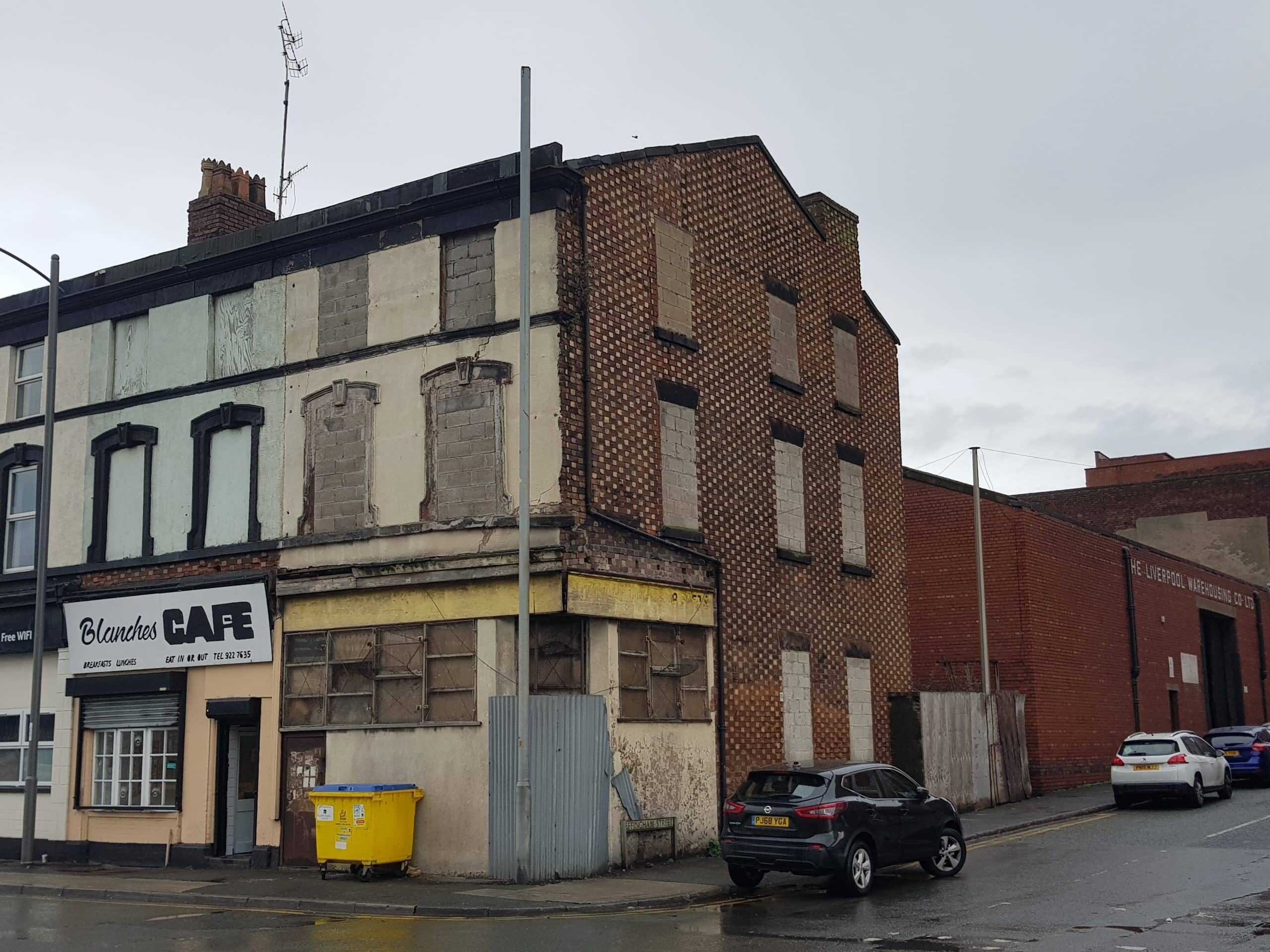
Recent figures show one in ten UK shops now sit empty, and each owner faces the same nightmare after three months. Business rates land with brutal force, and councils don’t care that you have no tenant income. That empty warehouse or shuttered shop transforms from an asset into a financial millstone overnight.
The Business Rates Trap That’s Bleeding You Dry
The 2007 Rating Act destroyed commercial landlords across Britain. Before this legislation, empty properties enjoyed longer relief periods. Now the clock starts ticking from day one of vacancy. After three months, full business rates hit your account. Industrial properties get six months breathing room, but then the same hammer falls.
Picture receiving a bill for £15,000 or £20,000 annually on a property generating zero income. That’s the reality for thousands of commercial property owners right now. The rateable value determines your bill, and most commercial premises blow past any helpful thresholds. You’re trapped paying council coffers whilst your property sits dark and worthless.
Why Every Popular Method Of Sale Fails Property Owners?
Estate agents sound like the sensible choice until you realise they’re incentivised to chase the highest price, not the fastest sale. Your commercial property sits on their books for six, nine, twelve months whilst business rates compound. They’ll tell you the market is “challenging” whilst you haemorrhage cash every quarter. Their commission structure rewards patience, but you’re the one funding that patience with mounting rates.
Property auctioneers promise speed but deliver stress and uncertainty. Auctions force rushed timelines with reserve prices that rarely protect your interests. Auction houses take significant fees whether your property sells or not. Auctioning a property means accepting whatever buyers show up on the day, often investors looking for desperate sellers they can exploit.
The real danger comes from liar cash buyers masquerading as legitimate house buying companies. These outfits promise quick completions then chip away at the agreed price. They create delays, invent problems with surveys, and disappear when you need certainty most.
How To Spot Dodgy Cash Buyers On Companies House?
Before accepting any offer from someone claiming we buy any property check Companies House for red flags that reveal their true nature. Visit the Companies House website and search the company name. Look at their financial accounts first. Legitimate cash buyers show genuine reserves and consistent trading history.
Check the charges section carefully. A string of charges against the company indicates they borrow heavily against properties, meaning they don’t actually have cash ready. Multiple charges from different lenders signal a buyer who will need mortgage approval, contradicting their cash buyer claim. Look for how long they’ve traded; companies less than two years old often lack the resources to complete reliably.
Review the directors and any disqualifications. Check if directors run multiple property companies with similar names, a common tactic amongst buyers who fold companies to avoid refunding deposits. A legitimate buyer operates transparently with clean accounts and minimal charges.
Why Empty Property Relief Doesn’t Save You?
Empty property relief only offers short term breathing space before full business rates crash back in and keep draining your pocket.
Properties Under The Rateable Value Threshold
Buildings with rateable value under £2,900 escape business rates completely. This exemption sounds helpful until you realise most commercial properties exceed this threshold substantially. Your empty shop, warehouse, or office building likely carries a rateable value between £5,000 and £50,000 or higher. The threshold exemption offers false hope to the vast majority of commercial owners.
The Three Month Window Slams Shut Fast
Empty commercial premises get just three months before full business rates apply. Six months for industrial warehouses and factories. That grace period vanishes whilst you’re still interviewing estate agents or considering your options. The calendar doesn’t pause for your decision making process. Every week spent researching alternatives brings you closer to another quarterly bill.
Do You Pay Business Rates On Empty Property?
Yes, you absolutely pay business rates on empty property after the initial relief period expires. This comes as a shock to property owners who assume vacant buildings avoid taxation. Councils charge full business rates based on rateable value regardless of whether you have tenants, income, or any ability to pay. The law treats empty commercial property the same as occupied premises after the relief window closes.
The only exceptions are listed buildings, properties below £2,900 rateable value, and specific charitable or religious uses. Unless your commercial property falls into these narrow categories, expect the full bill.
How Long Are Empty Properties Exempt From Business Rates?
Empty commercial properties receive three months of exemption before business rates commence. Industrial properties like warehouses, factories, and storage facilities get six months total relief. After these periods end, full business rates become due immediately.
Many owners assume they can extend this relief period through clever tactics. The relief applies once per vacancy period. Attempting short term lets to reset the clock creates administrative burdens without guaranteed success. Councils now scrutinise such arrangements and can challenge attempts to game the system.
The Property Guardian Trap That Backfires
Property guardians initially seem brilliant. You install people to live in your commercial building, which supposedly converts it from business rates to council tax. The rates liability drops significantly or disappears entirely. Sounds perfect until reality intrudes.
Councils increasingly challenge property guardian arrangements. They question whether genuine residential use exists or if it’s a transparent attempt to avoid business rates. Legal disputes emerge over classification. The property guardian company takes fees. You sacrifice control over your building. Guardians can damage the property or refuse to leave when you find a buyer. What seemed like a clever fix becomes another headache.
What Qualifies For Empty Property Relief?
The law grants automatic relief for the first three months on standard commercial premises and six months on industrial properties. Beyond these periods, only specific property types qualify:
Listed buildings of architectural or historical interest remain exempt throughout vacancy
Properties with rateable value below £2,900 never incur business rates
Buildings occupied by charities for charitable purposes receive 80% mandatory relief
Properties undergoing major structural renovation may qualify for temporary relief
Most commercial property owners find their buildings qualify for none of these ongoing exemptions. The three month clock ticks down, then full rates commence for years if you don’t act.
Property guardians can technically avoid business rates by converting the property to residential use subject to council tax instead. This only works if the council accepts the classification change, which they increasingly resist. Property guardian arrangements require contracts, management companies taking cuts, and insurance complications.
The bigger problem arrives when you want to sell. Property guardians have occupation rights. Evicting them creates delays and legal costs. Buyers prefer vacant possession, not tenants or guardians to remove. What you saved in business rates you’ll lose in sale complications and reduced offers.
Selling immediately beats playing games with guardians, temporary lets, or charitable arrangements. Property Saviour buys commercial property with vacant possession, removing every complication in one clean transaction.
Are Industrial Properties Exempt From Business Rates?
Industrial properties are not exempt, they simply receive extended relief of six months instead of three. After half a year, full business rates apply just like any commercial premises. Warehouses, factories, and industrial units all face the same financial drain once the relief expires.
Owners of industrial property often believe their buildings fall into a special category. The extra three months provides breathing room, nothing more. If you haven’t secured a tenant or buyer within six months, you’re paying full business rates indefinitely.
What Happens If You Don’t Pay Business Rates On Empty Property?
Councils pursue unpaid business rates through legal action. They’ll issue reminders, final notices, then apply to magistrates for a liability order. Once granted, enforcement agents can attend your property or home. The council can take money directly from your bank account or wages through attachment orders. They can petition for bankruptcy if arrears reach £5,000 or more.
Ignoring business rates doesn’t make them disappear. The debt grows with costs and interest. Your credit rating tanks. The stress compounds whilst the council holds every legal advantage. Councils rarely negotiate or write off business rates on empty properties.
The Charitable Lease Fiction
Some advisors suggest leasing your empty commercial property to a charity at minimal rent. Charities receive 80% mandatory business rates relief, cutting the liability substantially. This sounds clever until you try finding a charity wanting your specific building in your particular location.
Charities are selective about premises. They need locations serving their mission, not random empty shops in areas they don’t operate. They won’t accept properties requiring expensive repairs or ongoing maintenance. Even if you locate a willing charity, arranging proper leases and ensuring their charitable use satisfies council requirements takes months. Business rates continue whilst you negotiate.
The arrangement also restricts your ability to sell. Breaking a charitable lease creates notice periods and potential compensation claims. You’ve merely swapped one problem for another.
The Deferment Illusion That Solves Nothing
Some councils permit deferring business rates payments over twelve months instead of quarterly instalments. This spreads the pain, nothing more. You still owe the full amount plus administrative fees. The debt hasn’t shrunk, just stretched out. Next year arrives and you’ll owe another twelve months on top of any arrears.
Deferment benefits councils more than property owners. They secure payment plans that commit you to monthly outgoings, making it harder to walk away. You’re locked into a payment schedule on a property you probably never wanted to own this long. Each payment reminds you that selling months ago would have saved thousands.
Trevor’s Expensive Lesson From Crawley
Trevor inherited his father’s workshop in Crawley, a 3,000 square foot industrial unit his dad ran for thirty years. Trevor worked in IT and had zero interest in manufacturing. He assumed he’d rent the property easily.
The building had problems Trevor hadn’t anticipated. The roof contained asbestos sheeting that would cost £15,000 to remove and replace properly. The Energy Performance Certificate rated E, well below the legal minimum of E for commercial lettings, meaning Trevor couldn’t legally rent it without expensive upgrades to heating and insulation. The fire exits didn’t comply with current building regulations, requiring new doors and signage costing another £8,000.
Six months of vacancy passed whilst Trevor interviewed agents and fielded enquiries from buyers wanting 50% below market value. Business rates hit £18,000 annually. The workshop needed Trevor to maintain insurance, handle utilities, and keep it weatherproof. A property management company suggested guardians. Trevor paid £2,000 upfront to the guardian company, who installed three residents.
The local council challenged the residential classification within two months. Trevor faced potential business rates backdated to when guardians moved in. The guardian company shrugged and said challenges happen. Trevor couldn’t sell with guardians in occupation. He’d already wasted eight months and £12,000 in business rates plus the guardian fees.
Trevor contacted Property Saviour after finding us through research on genuine cash buyers. We offered 70% of realistic valuation and explained exactly why. The asbestos roof, low EPC rating, and non-compliant fire exits meant any buyer faced immediate costs exceeding £23,000 before the property could be let or sold to an end user. Trevor received £210,000 on a workshop worth £300,000 in perfect market conditions with all compliance issues resolved. He chose a forty five day completion to handle his father’s estate paperwork properly. We contributed £1,500 towards his legal costs. Trevor used his family solicitor with zero pressure from us.
Trevor later told us the £90,000 reduction hurt less than he expected because our offer was honest and the certainty ended his nightmare. He’d already lost money to business rates, guardian schemes, and holding costs. Every month he waited cost another £1,500 in rates. The compliance works would have consumed £23,000 more. Selling to us meant immediate exit from a property destroying his finances.
Why We Buy At 70% And What That Actually Means
Property Saviour offers around 70% of realistic valuation because we’re buying your problem, not a perfect property. Let us show you exactly where that 30% difference goes, because transparency matters when you’re making big decisions.
We face 5% stamp duty on commercial property purchases, a cost we pay upfront to the government. There’s no negotiating stamp duty; it’s mandatory. On a £300,000 property, stamp duty costs us £15,000 immediately. Before we even own your building, 5% of the valuation is gone.
Legal costs take another 2% minimum. Commercial conveyancing involves more complexity than residential. Our solicitors handle title checks, environmental searches, and commercial lease histories. That’s £6,000 on the same £300,000 property.
Holding costs consume roughly 3% over the period we own your commercial property before resale. We pay business rates, building insurance, utilities for security, and cleaning builders. Empty commercial property deteriorates fast without proper maintenance. These ongoing costs reach £9,000 or more depending on how long we hold the building.
When we sell, estate agents and solicitors for the resale take approximately 5%. Commercial property requires specialist agents who charge higher fees than residential. Add conveyancing again and we’re looking at £15,000 in exit costs.
That totals 15% in unavoidable costs before we make any profit. Add our 15% gross profit margin before tax, and you see why we offer 70% of realistic valuation. We’re transparent about these numbers because we want you to understand the maths, not feel exploited.
Compare this to estate agents who promise higher prices but deliver nothing for twelve months. Or property auctioneers who take their fees regardless of sale price. Or cash home buyers who agree 85% of valuation then chip you down to 60% just before completion. We tell you 70% upfront and complete at that figure.
Estate Agents Cost You More Than Their Commission
Estate agents charge 1% to 3% commission on commercial property, which seems reasonable compared to our 30% reduction. Here’s what they don’t tell you during the listing pitch.
Your commercial property sits on their books for an average of nine to fourteen months. During that entire period, you’re paying full business rates. At £18,000 annually, that’s £13,500 to £21,000 in rates alone whilst you wait for their “extensive marketing” to work. Add insurance, utilities, and maintenance, and your holding costs exceed £20,000 easily.
Estate agents also price optimistically to win your listing. They’ll suggest £350,000 when realistic value sits at £300,000. You’ll reject offers at £280,000 or £290,000 because your agent promises buyers at full price are “just around the corner.” Six months later, you’ll accept £275,000 from the only buyer still interested. You’ve paid enormous holding costs chasing a price that never existed.
The sale might fall through after months of negotiations. Commercial property buyers need financing, surveys reveal problems, and chains collapse. Estate agents move on to easier listings whilst you’re back to square one, having paid business rates throughout the failed sale process.
Ready To Sell Without The Hassle?
How do we compare with other methods of sale? If you are flexible on the price, and need speed and certainty of sale, we are the ones to trust.
Method of sale
Value achieved
Fees
Timeframe
Is sale guaranteed?
Estate agents
90–95%
1–5%
3–6 months
No – one in three sales collapse
Auctioneers
70–80%
2% plus
2–3 months
No – half of properties don’t sell
Property Saviour
70–80%
£0
10–28 days
Yes – 99% success rate
Get a formal cash offer within 48 hours — no surveys, no delays, no fees.
Why Auctioning A Property Destroys Your Negotiating Position
Property auctioneers promise certainty and speed. Auctions do create pressure and deadlines. That pressure works against you, not for you. Auctioning a house or commercial property signals desperation to every buyer in the room.
Auction houses charge seller fees between 1.5% and 3% plus VAT, marketing fees up to £1,500, and legal pack preparation costs. These fees apply whether your property sells or not. If the property fails to meet reserve, you’ve spent £3,000 to £5,000 for nothing.
Reserve prices offer limited protection. Set the reserve too high and the property won’t sell. Set it too low and you’re accepting whatever the room offers. Buyers at auction are investors and developers seeking below market deals. They’re not paying full value in a competitive bidding environment designed to create urgency.
Auction timelines also lock you in. Once you’ve committed to an auction date, withdrawing the property looks terrible and wastes money already spent on marketing. You’re trapped completing the auction process regardless of changing circumstances.
The Property Saviour Difference That Actually Protects Sellers
We buy commercial property directly, removing every uncertainty that makes estate agents and auctions painful. Here’s how our service works differently.
When you contact us, we arrange a property assessment within days, not weeks. We provide an offer within 48 hours based on realistic valuation. Our offer accounts for condition, location, and current market rates. We don’t inflate numbers to win your business then reduce later.
You choose the completion date that suits your circumstances. Need ninety days to sort inheritance paperwork? That’s fine. Want to complete in three weeks to stop business rates immediately? We can do that too. Flexibility on completion dates means you control the timeline, not us.
We contribute a minimum of £1,500 towards your legal fees. Most sellers use their own solicitor, which we actively encourage. Having independent legal advice protects you and creates transparency. We don’t pressure you to use our solicitors or panel firms. Your solicitor reviews everything and confirms the transaction is fair.
We’re genuine cash buyers with funds ready. No chains, no mortgage approvals, no survey contingencies. When we agree a price, we complete at that price. No last minute reductions. No invented problems to renegotiate downwards. The certainty lets you plan your finances and exit your commercial property nightmare permanently.
Our Proof Sits In Real Completions Not Marketing Waffle
Property Saviour has completed hundreds of commercial and residential property purchases across England. Our success stories include inheriting unwanted commercial buildings, business owners retiring without successors, and property owners trapped by business rates exactly like your situation.
We completed a purchase in Manchester for a seller who’d paid £34,000 in business rates over eighteen months whilst estate agents failed to find a buyer. We bought a warehouse in Bristol from owners facing bankruptcy because of rate arrears. These aren’t made up testimonials. They’re real transactions where we provided immediate exits from untenable situations.
Check our Companies House listing and you’ll find clean accounts, minimal charges, and years of trading history. We’re transparent about our structure and finances because we have nothing to hide. Compare that to the liar cash buyers with multiple charges and short trading histories.
Comparing Your Options Side By Side
Here’s how your realistic alternatives compare when you need to escape business rates on empty commercial property.
Method of Sale
Cost to Seller
Time to Complete
Certainty of Completion
Business Rates Liability
Estate Agent
1% to 3% commission plus 9 to 14 months business rates (£13,500 to £21,000)
9 to 14 months average
Low (buyers need finance, surveys, chains)
Continues throughout marketing period
Property Auction
2% to 4% fees plus reserve risk
8 to 12 weeks minimum
Medium (reserve must be met)
Continues until auction completion
Property Guardians
Management fees plus legal risks
Ongoing (not a sale)
Not applicable
Converted to council tax but blocks future sale
Charitable Lease
Reduced rates but ongoing liability
Ongoing (not a sale)
Not applicable
80% relief but property unsold
Property Saviour
30% reduction from realistic value
3 to 12 weeks (seller chooses)
Complete certainty (cash buyer)
Ends at completion
The table shows why selling to us beats every alternative when business rates are destroying your finances. Estate agents cost you more in holding costs than our reduction. Auctions gamble with reserve prices. Guardians and charities just delay whilst blocking any real exit.
Frequently Avoided Truths About Commercial Property
Nobody tells you these realities when you inherit or buy commercial property. The market for commercial premises has contracted severely since 2020. Retail especially faces permanent structural decline. Offices remain partly empty as remote work continues. Industrial property performs better but finding buyers still takes months.
Your commercial property is worth less than you think. Agents inflate values to win listings. Online valuation tools use outdated comparables. The realistic market value sits 10% to 20% below what you hope. Accepting this truth earlier saves months of frustration and mounting business rates.
Commercial property buyers are almost exclusively investors and developers. They’re not emotional purchasers. They calculate yields, renovation costs, and profit margins. They’ll offer 70% to 80% of optimistic valuations because that’s where their numbers work. Waiting for a buyer to pay full price means waiting forever.
The Longer You Wait The More You Lose
Every month you spend researching options, consulting advisors, or hoping for better offers costs you another business rates payment. At £1,500 to £2,500 per month on empty commercial property, delay is expensive. Three months of deliberation costs £4,500 to £7,500. That’s money gone forever.
You might believe waiting will bring a better offer. Market conditions for commercial property are not improving. Interest rates remain elevated, making buyer financing expensive. Retail continues its decline. The perfect buyer you’re imagining doesn’t exist in the numbers you want.
Selling now to Property Saviour locks in certainty and stops the financial bleeding. The 70% offer you receive today might be more cash in your pocket than 100% of value after another year of business rates, insurance, and holding costs. The mathematics favour immediate action.
What We Need To Provide Your Offer?
Contact us with your property address and basic details about the commercial premises. Tell us the approximate square footage, current condition, and why it’s empty. We’ll research the rateable value and recent comparables in your area.
Within 48 hours, you’ll receive a written offer with our reasoning. We explain the 70% calculation and show our cost breakdown. You’ll see exactly where stamp duty, holding costs, and resale expenses fit. If you’re facing business rate arrears, tell us. We can sometimes structure completions to help manage council debts.
Once you accept our offer, we instruct conveyancers immediately. You instruct your own solicitor. The legal process takes three to eight weeks depending on title complexity and your chosen completion date. We stay in regular contact so you’re never wondering about progress.
Request Your Call Back Now And End Business Rates Forever
Stop paying business rates on an empty commercial property that’s destroying your finances. Property Saviour buys directly, completes fast, and provides certainty no estate agent or auction can match. We’ve helped hundreds of commercial property owners escape exactly your situation.
Request a call back using the contact form below. Within one business day, our team will discuss your property and provide an indicative offer range. There’s no obligation and no pressure. If our method of sale doesn’t suit your needs, we’ll tell you honestly.
The business rates you pay this month are gone forever. Next month’s bill is three weeks away. Take action now whilst you still have equity left in your commercial property. Request your call back and let us show you how quickly this nightmare can end.
Last updated: 15 January 2026
Meet the author
saddat
Saddat bought his first property in 2003. Got hooked instantly.
By 2009, he'd seen enough shady property buyers lying to desperate homeowners.
So he founded Property Saviour with one mission: tell sellers the truth.
Whether you’re facing a tricky sale, navigating probate, or simply looking to sell fast without hassle, you’re in the right place. Our blog is packed with practical advice, expert insights, and real-life tips to help homeowners, landlords, and executors across England, Scotland and Wales make informed decisions — whatever the condition of their property.
Can You Sell a Property With a Regulated Lifetime Tenancy?
Yes. You can sell a property with a regulated lifetime tenancy. But not to normal buyers.That tenant isn’t leaving. Ever. Until they die. Normal buyers can’t get mortgages on these propert...
Selling a commercial property isn’t like selling a house. You already know this.Your retail unit has been listed for 8 months. The office building needs £80,000 in repairs you can’t ...
Right. You’re on PropertySaviour.co.uk.Welcome. Glad you’re here.Now, before we get into the fun stuff—like actually helping you sell your house—we need to do the tedious legal...
Yes, you can sell a house with tree root damage, but mortgage lenders reject approximately 90% of applications until structural repairs are completed and monitored for 12 months, underpinning costs &p...
Can You Sell a House With a Weed Smoking Neighbour?
Yes, you can sell a house with a weed smoking neighbour, but buyers smell the cannabis during viewings, families with children withdraw immediately, approximately 65% of buyers reject properties where...
Yes, you can sell a house with a haunted reputation, but you must disclose any deaths or stigmatising events under certain circumstances, buyers research properties online and discover the history wit...
Can You Sell a House Without a Party Wall Agreement?
Yes, you can sell a house without a Party Wall Agreement, but buyers’ solicitors flag the missing agreement during conveyancing, approximately 75% of mortgage lenders require retrospective agree...
Yes, you can sell a house with a mineshaft, but mortgage lenders reject approximately 95% of applications on properties with recorded mineshafts, buildings insurance is nearly impossible to obtain at ...
Our official office hours run Monday through Friday, 9am to 5pm. But here's the thing—we're not clock-watchers.
We'll ring you back evenings, weekends, even bank holidays. Because your property sale matters more than our strict adherence to business hours. So do expect that call.
Got multiple properties to shift? Drop us a line at sell@propertysaviour.co.uk.
Prefer an actual conversation? Pick up the phone and call us.
Regulated by: The Property Ombudsman with Membership Number: T13839
Companies House Verification Check: Property Saviour buy properties in name of Collingtree Limited, Thistledown Barn, 204 Holcot Lane, Sywell, Northampton, NN6 0BG. Copyright 2026: No content is to be copied without authorisation in writing from us. Please refer to our Terms & Conditions for full details.