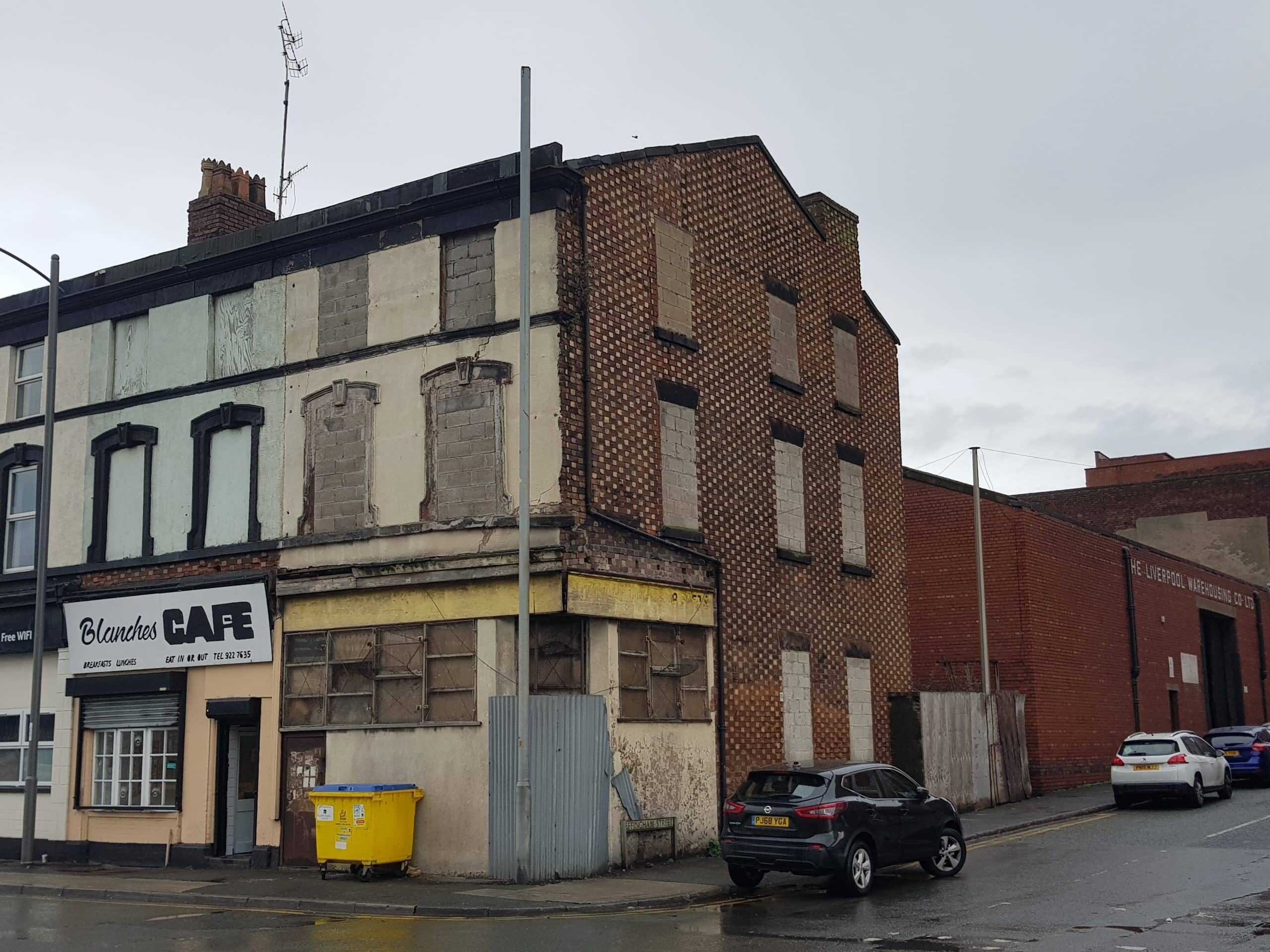
Yes, you can sell Laing Easiform houses. Technically they’re mortgageable because they weren’t classified as defective under the Housing Defects Act 1985. That’s the good news.
The bad news? Finding a buyer takes 8 to 18 months on average through estate agents. You’ll sell for 20% to 30% less than an identical brick-built property. You’ll watch multiple buyers withdraw after surveys reveal the concrete construction. And you’ll endure months of stress whilst estate agents keep telling you “the right buyer is out there.”
They’re right. The right buyer is out there. But there aren’t many of them. And they know you’re desperate. So they offer accordingly low.
Let me explain exactly why selling Laing Easiform houses is so difficult and what your actual options are.
What Laing Easiform Houses Are (And Why They’re Different)?
Laing Easiform houses are cast in-situ concrete construction developed by John Laing construction company starting in 1919 and continuing through the 1960s. Over 100,000 were built across the UK using a clever system where concrete was poured on-site into steel moulds, creating cavity wall construction.
They solved the massive post-war housing shortage. Quick to build. Relatively cheap. Got families into homes fast. From that perspective, they were brilliant.
The key difference from other problematic concrete houses: Laing Easiform uses cast in-situ concrete (poured on-site) rather than precast concrete panels. This construction method proved more structurally sound than PRC types like Airey, Cornish Unit, or Reema houses.
Crucially, Laing Easiform houses were NOT classified as defective under the Housing Defects Act 1985. That means they’re technically mortgageable by mainstream lenders.
But here’s where estate agents mislead you: “technically mortgageable” doesn’t mean “easily sold” or “valued the same as brick properties” or “quick to find buyers for.”
It means some lenders will consider them under certain conditions with specific restrictions. Your buyer pool is still massively restricted compared to standard brick construction.
The Mortgageability Myth (It’s Complicated)
Right, estate agents will tell you, “Don’t worry, Laing Easiform isn’t defective, so it’s mortgageable.”
True. But misleading.
Yes, major lenders may consider Laing Easiform houses, especially post-1945 versions with cavity wall construction. But the practical reality involves significant complications:
Higher deposit requirements: Buyers need 20% to 30% deposits versus 10% to 20% for standard brick properties. That instantly eliminates first-time buyers with 5% to 10% deposits saved.
Mandatory structural surveys: Lenders require detailed structural surveys costing buyers £800 to £1,500 (versus £400 to £600 for standard homebuyer reports). These surveys often identify concerns that kill sales.
Reduced lender choice: Maybe 60% to 70% of mortgage lenders will consider post-1945 Laing Easiform versus 95%+ for brick properties. Pre-1945 versions face even more restrictions with perhaps 30% to 40% of lenders refusing them entirely.
Higher interest rates: Specialist lenders treating Laing Easiform as higher risk charge interest rates 0.5% to 1.5% higher than standard properties. On a £150,000 mortgage over 25 years, that’s £11,000 to £28,000 extra in interest payments.
Unpredictable criteria changes: Lenders change their non-standard construction criteria regularly. A buyer might get a mortgage offer in principle, then find three weeks later the lender’s updated criteria now exclude Laing Easiform. Your sale collapses.
So yes, your Laing Easiform house is “mortgageable.” But to a much smaller pool of buyers facing higher costs and more complications. That dramatically affects your sale timeline and achievable price.
The Types of Laing Easiform Construction (And Why It Matters)
Not all Laing Easiform houses are created equal. There are different types with varying mortgageability:
Type 1 MK1 (pre-1925):
Solid no-fines concrete walls without cavity
Fewer than 2,000 remaining
Largely unmortgageable even though technically not classified defective
Cash buyers only, similar to PRC properties
Type 2 MK2 and MK3 (post-1925):
Cavity wall construction with steel reinforcement
Poured concrete into steel moulds creating double wall
Characteristic pebble-dash exterior finish
Most common type, over 90,000 built
More mortgageable but still restricted compared to brick
Various sub-types:
Houses, bungalows, flats, maisonettes
Over 25 different design variations
Some with brick cladding added later
Garage blocks and commercial buildings
If you own pre-1945 Laing Easiform, you’re facing significantly more mortgage restrictions than post-1945 versions. Many mainstream lenders won’t touch pre-1945 at all.
Even post-1945 versions face the complications mentioned above. You’re “better off” than owners of unmortgageable PRC houses, but you’re still selling non-standard construction to a limited buyer pool.
Common Laing Easiform Problems That Terrify Buyers
Here’s what structural surveys typically flag on Laing Easiform properties, and why these findings kill sales:
Problem
What It Means
Typical Repair Cost
Buyer Response
Steel reinforcement corrosion
Moisture ingress causing rust, concrete cracking
£8,000 to £20,000
Withdrawal or massive reduction
Concrete cracking and spalling
Thermal movement, concrete breaking off in chunks
£5,000 to £15,000
Major negotiation or withdrawal
Poor thermal insulation
Original construction has minimal insulation
£8,000 to £15,000 for upgrade
Concern about ongoing heating costs
Cavity wall tie corrosion
Steel ties between concrete walls rusting
£3,000 to £8,000 replacement
Structural integrity fears
Asbestos presence
Pre-1970s versions often contain asbestos
£2,000 to £5,000 removal
Health concerns, immediate withdrawal
Unstable aggregate
Some older versions used problematic materials
£1,500 to £3,000 assessment
Long-term deterioration worries
Even when your Laing Easiform house appears fine externally with no obvious problems, structural surveys dig deeper. They identify potential issues. They flag concerns. They use cautious language like “further investigation recommended” and “potential structural movement.”
Buyers read these surveys and panic. They imagine £20,000 repair bills. They worry about future problems. They fear getting stuck with an unsaleable property themselves. They withdraw.
You’re back to square one. Again. For the fourth or fifth time. After months of marketing.
The Powerful Non-Standard Construction Stigma
Here’s what really kills Laing Easiform sale prospects: market stigma.
The phrase “non-standard construction” terrifies buyers. Doesn’t matter that your specific property is technically mortgageable. Doesn’t matter that it’s in perfect condition. Doesn’t matter that it’s been standing strong for 70 years.
The label alone eliminates 60% to 80% of potential buyers before they even view your property.
This stigma comes from:
Association with defective housing: Buyers lump all concrete houses together. Laing Easiform gets tarred with the same brush as unmortgageable PRC types even though it’s different.
Future saleability worries: Smart buyers think, “If I’m struggling to get a mortgage now, how hard will it be when I need to sell in five years?” They factor in exit difficulty.
Maintenance cost concerns: Buyers fear concrete construction means higher ongoing costs for heating, repairs, insurance, and maintenance.
Estate agent warnings: Many estate agents actively steer buyers away from non-standard construction, telling them, “I wouldn’t touch it if I were you.”
Mortgage broker advice: Brokers know non-standard construction is harder to finance. They encourage buyers to look at brick properties instead.
This stigma is powerful and irrational but it’s real. And it dramatically affects your achievable sale price and timeline.
A property that would be worth £200,000 as brick construction achieves only £140,000 to £160,000 as Laing Easiform. That’s not because of actual structural problems. It’s because of market perception and restricted buyer pools.
Why Estate Agents Fail With Laing Easiform Properties?
Estate agents will absolutely take your Laing Easiform listing. They’ll value it optimistically. They’ll take your money. They’ll put it on Rightmove with lovely photos.
Then the cycle begins.
Week 1 to 4: Initial viewing interest from buyers who haven’t properly researched what they’re looking at. Five or six viewings. Maybe two or three who seem interested.
Week 5 to 8: Surveys commissioned. Reports come back identifying Laing Easiform construction. Buyers start getting nervous. Mortgage brokers warn them about complications.
Week 9 to 12: First offer comes in at £175,000 when you listed at £220,000. You reject it as insulting. Second potential buyer withdraws after their surveyor advises against concrete construction.
Week 13 to 20: Estate agent suggests first price reduction to £210,000 to “generate fresh interest.” More viewings. More surveys. Another buyer withdraws when their lender changes criteria.
Week 21 to 30: Second price reduction to £195,000. Estate agent now saying, “The market’s tough for non-standard construction.” Another offer at £168,000. You reluctantly accept.
Week 31 to 35: Buyer’s detailed structural survey identifies steel corrosion concerns. They want £15,000 reduction or repairs completed. You negotiate to £160,000. You think you’re finally done.
Week 36: Buyer’s lender changes policy on pre-1970s non-standard construction. Mortgage offer withdrawn. Sale collapses. You’re back to square one.
This isn’t exaggeration. This is the actual cycle Laing Easiform owners endure. Twelve to eighteen months of hope and disappointment. Multiple buyers. Multiple surveys. Multiple collapses.
Eventually you sell. But at 25% to 35% below your original asking price. After paying months of council tax, insurance, utilities, and maintenance. After hundreds of hours of stress.
The estate agent still gets their commission. They collected marketing fees throughout. They did viewings and surveys. But they didn’t warn you upfront how difficult this would be because then you wouldn’t have listed with them.
Reece’s Laing Easiform Nightmare
Reece from Dewsbury inherited his aunt’s Laing Easiform house in early 2024. Estate agent valued it at £195,000 and said, “It’s mortgageable so shouldn’t be a problem.”
Sixteen months later, Reece had endured seven serious buyers who all withdrew after surveys or mortgage complications:
Buyer 1: Surveyor advised against non-standard construction. Withdrew. Buyer 2: Couldn’t get mortgage with 15% deposit, needed 25%. Withdrew. Buyer 3: Structural survey found cavity tie corrosion. Wanted £12,000 reduction. Reece refused. Withdrew. Buyer 4: Lender changed criteria mid-application. Mortgage refused. Withdrew. Buyer 5: Offered £165,000. Reece accepted. Buyer’s circumstances changed. Withdrew. Buyer 6: Got through survey and mortgage offer. Exchange imminent. Lender reviewed file and rescinded mortgage offer citing internal policy change. Withdrew. Buyer 7: Cash buyer offered £145,000 after property reduced to £158,000. Reece accepted in desperation.
Three weeks later, the cash buyer’s “structural engineer” produced a report highlighting steel corrosion, concrete cracking, and “potential long-term stability concerns.” New offer: £102,000.
That’s a £43,000 reduction. Reece felt sick. But he’d already given notice on his rental. He’d committed to a new job in another city. He thought he had to accept.
Then he found us. We explained we purchase Laing Easiform properties. Our offer: 70% of realistic non-standard construction value which was £140,000 (not the estate agent’s fantasy £195,000). That’s £98,000.
Wait, that’s less than the liar cash buyer’s revised offer of £102,000?
No. Because we explained the liar cash buyer’s offer would reduce again. They always do. Final offer would probably be £85,000 to £90,000 after “further investigations.”
Our offer: £98,000. Fixed. Guaranteed. No reductions. Complete in 11 days.
Reece accepted. We completed exactly when promised. He received £98,000 and moved on with his life.
Compare to what would have happened: accepted the liar cash buyer at £145,000, reduced to £102,000, probably reduced again to £88,000. Eighteen months of stress. Multiple collapsed sales. For £10,000 less than our transparent offer delivered in under two weeks.
Let’s talk about what Laing Easiform houses are actually worth, because estate agents won’t tell you this upfront.
Comparative sale data shows Laing Easiform properties consistently selling for 20% to 30% below identical brick-built properties in the same areas.
A three bedroom semi-detached brick house: £200,000 Same three bedroom semi-detached Laing Easiform: £140,000 to £160,000
That £40,000 to £60,000 difference isn’t because of actual structural defects. It’s because of:
Reduced buyer pool (60% to 80% smaller)
Mortgage complications and higher deposits
Non-standard construction stigma
Future resale concerns
Higher insurance and maintenance costs
Estate agents value Laing Easiform houses as if they were brick, using comparable brick property sales. They tell you it’s worth £195,000 because similar brick houses sold for that amount.
But you’re not selling brick. You’re selling concrete. To a tiny fraction of the buyers. After months or years of trying.
The realistic value is what that limited pool of buyers willing to take on non-standard construction will actually pay. Which is £137,000 to £146,000 on a property estate agents valued at £195,000.
This isn’t us being negative. This is market reality that estate agents hide to win your listing.
Property Auctions and Laing Easiform Houses
Some Laing Easiform owners think, “Right, I’ll auction it. Property investors don’t care about construction type.”
Sometimes true. Investors buying for rental yield or HMO conversion care less about mortgageability. They’re often cash buyers anyway.
But here’s what actually happens at auction with Laing Easiform properties:
The auctioneer’s pre-auction estimate: £160,000 to £180,000 Your reserve: £155,000 Entry fees and legal pack: £1,800
Auction day arrives. Your lot comes up. Bidding starts at £95,000. Gets to £118,000. Stalls. Auctioneer works the room. Gets another bid at £122,000. Nothing more. Passes. Didn’t reach reserve.
No sale. You still own your unmortgageable property. You’re £1,800 lighter. Back to square one.
Even when Laing Easiform properties do sell at auction, achieved prices are often 30% to 40% below estate agent valuations. That £195,000 estate agent valuation achieves £125,000 at auction after bidders factor in non-standard construction challenges.
Minus auction fees, you’re netting similar amounts to what transparent cash buyers would offer directly, except you’ve gambled £1,800 on it working.
Auctions aren’t magic solutions for non-standard construction. They’re expensive gambles that frequently fail.
The Liar Cash Buyer Trap for Non-Standard Construction Owners
Right, here’s where Laing Easiform owners get properly exploited.
Unscrupulous cash buyers specifically target non-standard construction properties because they know you’re desperate after months of estate agent failure. They know your alternatives are limited. They know you’re vulnerable.
Their game works like this:
Week 1: They offer £155,000 on your property listed at £175,000. Seems reasonable after months with no serious buyers. You accept with relief. Finally, progress.
Week 2 to 3: They’re “arranging surveys” and “preparing paperwork.” You stop marketing the property. You tell family it’s sold. You start planning your move. You emotionally commit.
Week 4: Their “structural engineer” visits. Produces a report highlighting Laing Easiform construction (which they knew from day one), steel corrosion concerns, concrete cracking, cavity issues, thermal performance problems.
Nothing in this report is news. It was all in previous surveys. It’s inherent to the construction type they knew about from your listing.
Week 5: “Unfortunately, given the serious structural concerns our engineer identified, we need to revise our offer to £97,000.”
That’s a £58,000 reduction. Nearly 38% less than their initial offer.
They knew your property was Laing Easiform from day one. They knew about typical concrete construction issues. The “survey” was theatre designed to manufacture justification for a massive reduction they’d always planned.
And they’ve timed it perfectly. You’ve committed emotionally. You’ve stopped looking at alternatives. You might have exchanged on your next property. You’re trapped.
Accept the slashed offer or start the whole process again from scratch. That’s the choice they’re giving you.
Before trusting a cash home buyer, go to Companies House website and see whether their “cash” is really borrowed against stacks of charges, because any lender in the shadows could spell price reductions, delays, or heartbreak down the line.
Checking Companies House Before You Commit
Right, before you accept any cash buyer offer on your Laing Easiform property, spend five minutes protecting yourself.
Go to Companies House website. Search the company name. You can access basic information for free.
Look at three critical things:
Charges registered against the company. This is the big one. If they’ve got dozens of charges registered, they’re heavily borrowed. They’re not cash buyers. They’re investors using other people’s money who need approval for every purchase. That’s slow, uncertain, and often results in offers being reduced when their lenders baulk at non-standard construction.
Genuine cash buyers show minimal charges. Check Property Saviour’s Companies House record. You’ll see clean accounts with minimal borrowing. That’s what real cash buyers look like.
Director history. Look at the directors’ previous companies. Trail of dissolved companies? That’s a massive red flag. These buyers close businesses when complaints build up, then open new ones with slightly different names. Same directors, different company. This pattern reveals character you can’t trust.
Recent accounts. Look at actual cash reserves versus liabilities. Companies with no money in the bank cannot complete quickly regardless of what their sales people promise. The numbers reveal truth that marketing hides.
This five minute check protects you from liar cash buyers who specifically target Laing Easiform and other non-standard construction owners, knowing you’re vulnerable after months of estate agent failure and have limited alternatives.
Any lender in the shadows could spell price reductions, delays, or heartbreak down the line. Check first. Protect yourself.
Why Property Saviour Love Laing Easiform Houses?
We’re going to be completely transparent about what we do and why it makes sense for most Laing Easiform owners struggling to sell.
We purchase Laing Easiform houses in any condition. Pre-1945 or post-1945. MK1, MK2, MK3 variants. With structural issues or without. We’re genuine specialists in non-standard construction.
We offer 70% of realistic non-standard construction value. Not 70% of estate agent brick-equivalent valuations that assume mortgageable buyers exist at scale. 70% of what the limited pool of buyers willing to purchase Laing Easiform actually pay in current market conditions.
No survey reductions or manufactured problems. The price we agree initially is the price you receive at completion. We don’t send structural engineers to “discover” it’s Laing Easiform and slash our offer by 40%. We know it’s concrete construction from day one. We price accordingly upfront.
You control completion dates. Need 7 days because you’re desperate? We can do it. Want 28 days to coordinate your next move? Fine. You choose the timeline that works for your situation.
We’re genuine cash buyers. Check our Companies House records. You’ll see minimal charges, clean director history, and actual cash available. We don’t need investor approval. We don’t need mortgage applications. We complete with our own funds.
We understand non-standard construction market realities. We know “technically mortgageable” doesn’t mean “easily sold.” We know the 20% to 30% value gap between brick and concrete. We know buyers withdraw after surveys. We price accordingly and offer immediate exit without the gamble.
For most Laing Easiform owners, our transparent 70% offer delivers better actual net outcomes than spending 12 to 18 months with estate agents only to achieve similar net amounts after fees, price reductions, and holding costs.
Our Transparent 70% Valuation Breakdown
Let’s show you exactly why we offer 70% and where that 30% goes, because you deserve complete transparency.
Your property’s realistic non-standard construction value: £140,000 (What limited pool of buyers actually pay, not estate agent brick-equivalent valuation)
Our offer (70%): £98,000
Our costs breakdown:
Legal costs (2%): £2,800 Solicitors, searches, Land Registry fees, conveyancing, non-standard construction documentation
Holding costs (3%): £4,200 Insurance (higher for concrete), council tax, utilities, security, maintenance, cleaning whilst we own it before resale
Stamp duty (5%): £7,000 Government tax we must pay on purchase, non-negotiable regardless of construction type
Resale costs (5%): £7,000 Finding buyers willing to purchase non-standard construction, potential improvements for onward sale, estate agents, solicitors
Gross profit before tax (15%): £21,000 Our profit for taking the risk, dealing with non-standard construction complications, providing certainty, absorbing market changes
Total our costs: £42,000 (the other 30%)
Now compare this to your estate agent method of sale:
Estate agent method: Original listing: £195,000 Final sale after 16 months: £158,000 Estate agent fees (1.5%): £2,370 Legal fees: £1,200 Holding costs over 16 months (insurance, council tax, utilities, maintenance): £4,800 Stress, viewings, collapses: Priceless
Net to you: £149,630 after 16 months of hell
Wait, that can’t be right. Let me recalculate with realistic numbers.
Estate agent method (realistic): Original listing: £195,000 Final sale after 16 months: £145,000 (after multiple reductions) Estate agent fees (1.5%): £2,175 Legal fees: £1,200 Holding costs over 16 months: £4,800
Net to you: £136,825 after 16 months
Property Saviour method: Offer: £98,000 Timeline: 11 days Your legal costs (we contribute £1,500): £0 to £500 Stress: Zero
Net to you: £97,500 to £98,000 after 11 days
Hold on, the estate agent method nets more, right? £136,825 versus £98,000.
Except that’s assuming the estate agent sale completes. Which after 16 months and seven collapsed buyers for Reece, it hadn’t. And when it finally “completed” with the liar cash buyer, the offer would have reduced from £145,000 to maybe £88,000 after their manufactured reductions.
Suddenly our £98,000 delivered in 11 days doesn’t look so bad compared to £88,000 after 18 months of torture, does it?
Ready To Sell Without The Hassle?
How do we compare with other methods of sale? If you are flexible on the price, and need speed and certainty of sale, we are the ones to trust.
Method of sale
Value achieved
Fees
Timeframe
Is sale guaranteed?
Estate agents
90–95%
1–5%
3–6 months
No – one in three sales collapse
Auctioneers
70–80%
2% plus
2–3 months
No – half of properties don’t sell
Property Saviour
70–80%
£0
10–28 days
Yes – 99% success rate
Get a formal cash offer within 48 hours — no surveys, no delays, no fees.
Your Realistic Decision Framework
Right, here’s how to think through your options as a Laing Easiform owner:
Accept that “technically mortgageable” doesn’t mean “easily sold.” Your buyer pool is 60% to 80% smaller than brick properties. That’s reality, not pessimism.
Research actual Laing Easiform sale prices in your area. Not estate agent valuations. Actual completed sales. Rightmove and Zoopla show sold prices. You’ll see the 20% to 30% discount versus brick is real.
Calculate realistic sale timeline through estate agents. Factor in 8 to 18 months, multiple buyer withdrawals, progressive price reductions, survey collapses. This isn’t smooth or quick.
Add up total holding costs over that period. Insurance (higher for concrete), council tax, utilities, maintenance, garden upkeep. At £300 to £500 monthly, that’s £2,400 to £9,000 over 8 to 18 months.
Factor in estate agent fees and legal costs. Usually 1.5% to 3% commission plus £1,000 to £1,500 legal fees. On a £145,000 sale, that’s £3,175 to £5,850.
Compare final net outcome to Property Saviour offer. After 16 months of estate agent stress, multiple reductions, and all costs, what do you actually net? Often similar to or less than our transparent offer delivered in weeks.
Consider the intangibles. Sixteen months of viewings, surveys, collapses, stress, uncertainty. Versus two weeks and done. What’s your peace of mind worth?
Make informed decision based on actual numbers, not estate agent optimism. Run the real maths with realistic sale prices, timelines, and costs.
Most people who do this honestly discover that our 70% offer on realistic values delivers similar or better net outcomes than estate agent promises, with certainty instead of eighteen months of maybe.
The Common Laing Easiform Sale Mistakes
People repeat these errors because estate agents don’t give honest assessments:
Believing “technically mortgageable” means it’ll sell like brick property (it won’t, buyer pool is 60% to 80% smaller)
Trusting estate agent brick-equivalent valuations that ignore 20% to 30% non-standard construction discount
Not factoring 8 to 18 month realistic timelines into decisions and life planning
Thinking the first buyer withdrawal is bad luck when it’s actually the pattern you’ll repeat six more times
Accepting liar cash buyer offers subject to structural surveys without checking Companies House first
Not calculating total holding costs over extended sale periods (easily £5,000 to £10,000)
Ignoring transparent cash buyer offers whilst pursuing estate agent listings that struggle for months
Assuming market stigma is irrational when it reflects genuine mortgage restrictions and resale challenges
Estate Agents Versus Auctions Versus Property Saviour
Let’s compare your actual options honestly:
Estate agents take 8 to 18 months for Laing Easiform properties if they sell at all, endure multiple buyer withdrawals after surveys revealing concrete construction, suffer progressive price reductions from optimistic listing to desperate acceptance, accumulate £2,400 to £9,000 in holding costs over extended timeline, pay 1.5% to 3% commission on whatever price eventually achieved, complete (maybe) at 20% to 35% below original listing price after months or years of stress.
Property auctions offer potential but Laing Easiform properties frequently fail to reach reserve as bidders know non-standard construction challenges, entry fees £600 to £1,800 plus legal packs £500 to £1,200 wasted if no sale, successful auction prices typically 30% to 40% below estate agent valuations, gamble that costs thousands if it doesn’t work whilst you still own the property.
Property Saviour completes in 7 to 28 days on dates you control, transparent 70% offers based on realistic non-standard construction values often matching or exceeding net outcomes after estate agent fees and extensive holding costs, no survey reductions or manufactured structural concerns, genuine cash funds verified through Companies House with minimal charges, specialist experience with Laing Easiform providing immediate exit without complications.
Which method of sale actually serves your interests versus which creates false hope followed by months of disappointment?
The Insurance and Ongoing Cost Pressure
Whilst you’re deciding what to do about your Laing Easiform house, costs accumulate:
Buildings insurance for non-standard construction costs 20% to 40% more than brick properties. Maybe £80 to £120 monthly instead of £50 to £80. Some insurers refuse Laing Easiform entirely or apply exclusions.
Council tax continues regardless. If it’s empty, you might get 50% discount but you’re still paying £60 to £90 monthly.
Utilities if you’re keeping it habitable for viewings. Gas, electric, water. Another £80 to £150 monthly.
Maintenance and garden upkeep so the property doesn’t deteriorate and viewings aren’t embarrassing. £50 to £100 monthly.
Total ongoing costs: £270 to £460 monthly. Over 16 months pursuing estate agent sale that’s £4,320 to £7,360 in pure waste whilst your situation doesn’t improve.
Every month you delay accepting realistic cash offers costs you hundreds whilst your property doesn’t magically become easier to sell.
The Truth About Laing Easiform Values and Sale Reality
Here’s what you fundamentally need to understand about selling Laing Easiform houses.
Your property isn’t worth what estate agents say it would be if it were brick. It’s worth what the limited pool of buyers willing to purchase non-standard concrete construction will actually pay.
“Technically mortgageable” is a legal classification. It doesn’t reflect market reality. Market reality is 60% to 80% fewer buyers, 8 to 18 month timelines, 20% to 30% lower values, multiple survey collapses, and significant stress.
For some Laing Easiform owners in specific situations (you’re staying long term, the property’s in perfect condition, you’ve got time and patience, you need maximum possible price regardless of timeline), estate agents might work.
For the vast majority? Accepting transparent cash offers delivers better actual outcomes. You receive fair value for non-standard construction, complete in weeks, avoid the eighteen month torture, and move on with your life.
That’s not giving up. That’s making smart decisions based on reality instead of estate agent optimism that rarely materialises.
Right, Here’s What You Need to Do
If you own a Laing Easiform house and you’re discovering how difficult they are to sell, you’ve got decisions to make.
Estate agents will list it optimistically. You’ll watch buyers withdraw repeatedly after surveys. You’ll endure 8 to 18 months of stress. You’ll pay £4,000 to £9,000 in holding costs. You’ll eventually sell 25% to 35% below original asking price. Maybe. If you find a buyer at all.
Auctions might work but Laing Easiform properties frequently fail to reach reserve, costing you £2,000+ in wasted fees whilst you still own the property.
Liar cash buyers offer high initially then slash offers by 30% to 50% after “structural surveys” discovering construction type they knew about from day one. Before trusting any cash buyer, check Companies House for charges revealing borrowed money masquerading as cash.
Property Saviour offers transparent 70% of realistic non-standard construction value. No survey reductions. No manufactured problems. Complete in 7 to 28 days. Better actual net outcomes for most Laing Easiform owners than estate agent promises rarely delivered.
Want to see what we’d actually offer for your Laing Easiform house?
Request a callback. Costs nothing.
We’ll discuss your specific property, which type it is, condition, location, and realistic market value. We’ll give you a genuine offer within 24 hours with full breakdown showing exactly how we calculated it.
No obligation. No pressure. No games where we reduce it later.
You take our offer and compare it to estate agent projections. But run the real numbers. Calculate what you’ll actually net after fees, holding costs, and realistic sale prices following multiple reductions. Factor in 8 to 18 month timelines and repeated disappointments. Add the stress and uncertainty.
Then decide which method of sale delivers better actual outcomes for your situation.
Some people take our offer. They’re usually Laing Easiform owners who’ve endured months of estate agent failure, watched six or seven buyers withdraw, seen their asking price reduced three times, and discovered that our transparent 70% offer nets them similar or better outcomes than another year of maybe, with completion in days not months.
Some don’t. They’re usually people who haven’t yet experienced the full cycle of estate agent disappointment or who have specific circumstances where maximum price matters more than timeline or certainty.
Both choices are yours to make.
We’re here to give you transparent alternative backed by honest market assessment so you’re deciding with full information instead of estate agent optimism that rarely reflects non-standard construction reality.
Request your free callback now.
We’ll call you back within a few hours. We’ll discuss your Laing Easiform house honestly. We’ll explain exactly what we can offer and why.
If you want to proceed, brilliant. We’ll coordinate with your solicitor (your choice, not ours), contribute £1,500 towards your legal fees, complete on whatever date works for you, and transfer your funds. You’re done. No more viewings. No more surveys. No more collapses. No more stress.
If you don’t want to proceed, that’s fine too. At least you’ll know all your options with realistic numbers instead of discovering twelve months into an estate agent listing that you’re achieving similar or worse net outcomes after fees, reductions, and holding costs whilst enduring months of torture.
The conversation costs nothing. The information might save you from eighteen months of disappointment.
Laing Easiform houses are technically mortgageable but practically difficult to sell. Estate agents underestimate the challenges because that optimism wins them listings. The reality involves months of buyer withdrawals, survey collapses, and progressive price reductions to levels that often match what transparent cash buyers offer from day one.
The smart move? Get the transparent cash offer. Compare it honestly to realistic estate agent outcomes (not fantasy valuations). Choose the method of sale that delivers better actual results for your specific situation.
That’s worth a free phone call, isn’t it?
Last updated: 31 December 2025
Meet the author
saddat
Saddat bought his first property in 2003. Got hooked instantly.
By 2009, he'd seen enough shady property buyers lying to desperate homeowners.
So he founded Property Saviour with one mission: tell sellers the truth.
Whether you’re facing a tricky sale, navigating probate, or simply looking to sell fast without hassle, you’re in the right place. Our blog is packed with practical advice, expert insights, and real-life tips to help homeowners, landlords, and executors across England, Scotland and Wales make informed decisions — whatever the condition of their property.
Can You Sell a Property With a Regulated Lifetime Tenancy?
Yes. You can sell a property with a regulated lifetime tenancy. But not to normal buyers.That tenant isn’t leaving. Ever. Until they die. Normal buyers can’t get mortgages on these propert...
Selling a commercial property isn’t like selling a house. You already know this.Your retail unit has been listed for 8 months. The office building needs £80,000 in repairs you can’t ...
Right. You’re on PropertySaviour.co.uk.Welcome. Glad you’re here.Now, before we get into the fun stuff—like actually helping you sell your house—we need to do the tedious legal...
Yes, you can sell a house with tree root damage, but mortgage lenders reject approximately 90% of applications until structural repairs are completed and monitored for 12 months, underpinning costs &p...
Can You Sell a House With a Weed Smoking Neighbour?
Yes, you can sell a house with a weed smoking neighbour, but buyers smell the cannabis during viewings, families with children withdraw immediately, approximately 65% of buyers reject properties where...
Yes, you can sell a house with a haunted reputation, but you must disclose any deaths or stigmatising events under certain circumstances, buyers research properties online and discover the history wit...
Can You Sell a House Without a Party Wall Agreement?
Yes, you can sell a house without a Party Wall Agreement, but buyers’ solicitors flag the missing agreement during conveyancing, approximately 75% of mortgage lenders require retrospective agree...
Yes, you can sell a house with a mineshaft, but mortgage lenders reject approximately 95% of applications on properties with recorded mineshafts, buildings insurance is nearly impossible to obtain at ...
Our official office hours run Monday through Friday, 9am to 5pm. But here's the thing—we're not clock-watchers.
We'll ring you back evenings, weekends, even bank holidays. Because your property sale matters more than our strict adherence to business hours. So do expect that call.
Got multiple properties to shift? Drop us a line at sell@propertysaviour.co.uk.
Prefer an actual conversation? Pick up the phone and call us.
Regulated by: The Property Ombudsman with Membership Number: T13839
Companies House Verification Check: Property Saviour buy properties in name of Collingtree Limited, Thistledown Barn, 204 Holcot Lane, Sywell, Northampton, NN6 0BG. Copyright 2026: No content is to be copied without authorisation in writing from us. Please refer to our Terms & Conditions for full details.